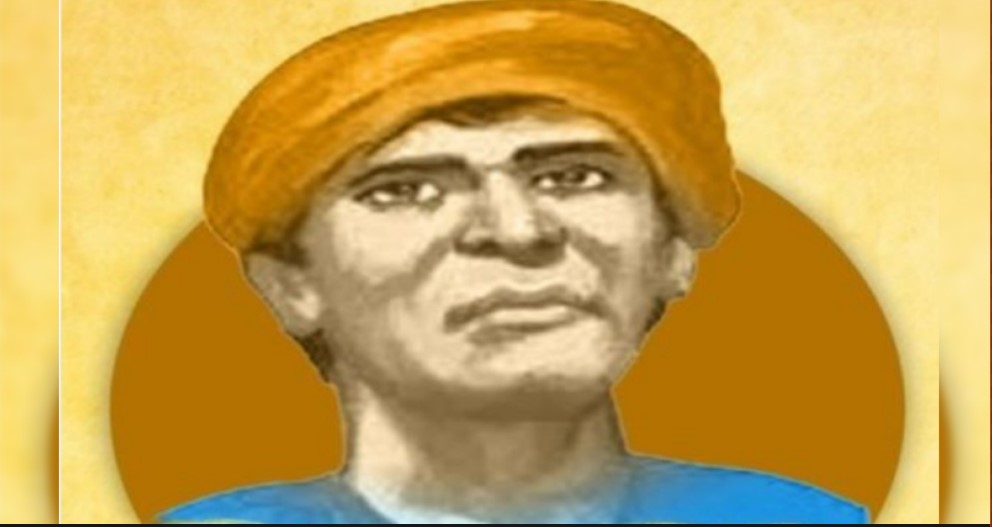
Read the complete Jamuna Tudu biography including age, family, education, career, achievements, awards, Padma Shri honor, interesting facts, FAQs, and environmental contributions.
Jamuna Tudu is a renowned environmental activist from Jharkhand, India, popularly known as the “Lady Tarzan of India.” She gained national recognition for her extraordinary efforts in protecting forests and wildlife in the East Singhbhum district of Jharkhand. Through her determination, courage, and leadership, she mobilized local communities, especially women, to safeguard forests from illegal logging, poaching, and environmental degradation.
Her journey from an ordinary village woman to a nationally honored environmentalist is a remarkable story of dedication, courage, and social responsibility. At a time when illegal tree felling and forest destruction were rapidly increasing in her region, Jamuna Tudu chose not to remain a silent observer. Instead, she took the initiative to organize villagers and create a powerful grassroots movement dedicated to forest conservation.
After moving to Muturkham village following her marriage, she was deeply disturbed by the large-scale cutting of trees and the shrinking forest cover around her community. Understanding the importance of forests for water conservation, biodiversity, climate balance, and the livelihoods of tribal communities, she decided to take action. With limited resources but immense determination, she began motivating local women to join her mission of protecting the forests. Over the years, Jamuna Tudu formed several women’s forest protection groups and led regular patrols to prevent illegal logging activities. Despite facing threats from timber smugglers and forest mafias, she remained fearless and committed to her cause. Her efforts not only helped save thousands of trees but also encouraged community participation in environmental protection.
Her conservation movement gradually expanded across several villages, bringing together hundreds of women and local residents who worked collectively to restore and protect forest ecosystems. The success of her initiatives demonstrated how community-driven efforts can play a crucial role in preserving natural resources and combating environmental challenges. Jamuna Tudu’s contribution to environmental conservation has earned her widespread recognition and numerous prestigious awards, including the Padma Shri, one of India’s highest civilian honors. She has also been celebrated as a symbol of women’s empowerment, proving that ordinary citizens can bring about extraordinary change through determination and collective action.
Today, she is regarded as one of India’s most inspiring environmental leaders. Her story serves as a powerful example of how individual commitment, community cooperation, and respect for nature can create a lasting positive impact on society. Through her work, Jamuna Tudu continues to inspire people across India to protect forests, conserve wildlife, and contribute to a more sustainable future for generations to come.
Quick Information Table
| Particulars | Details |
|---|---|
| Full Name | Jamuna Tudu |
| Nickname | Lady Tarzan |
| Profession | Environmental Activist |
| Known For | Forest Conservation Movement |
| Birth Year | 1960s (Approx.) |
| Birthplace | East Singhbhum, Jharkhand, India |
| Nationality | Indian |
| Religion | Hinduism |
| Marital Status | Married |
| Husband | Not Widely Known |
| Awards | Padma Shri, Nari Shakti Puraskar, Godfrey Phillips Bravery Award |
| Famous Title | Lady Tarzan of India |
| State | Jharkhand |
| Language | Hindi, Local Tribal Languages |
| Net Worth | Not Publicly Available |
Early Life and Birth
Jamuna Tudu was born in a modest family in Jharkhand. She spent her childhood in a rural environment where forests played a vital role in the lives of local communities. Growing up amidst nature helped her develop a strong connection with trees, wildlife, and the environment.
During her early years, she witnessed how forests provided food, fuel, water conservation, and livelihood opportunities for tribal communities. However, she also observed increasing deforestation and illegal logging activities that threatened the ecological balance of the region.
After marriage, she moved to Muturkham village in East Singhbhum district. It was here that she began her lifelong mission to protect forests and raise awareness about environmental conservation.
The natural beauty of the region and the dependence of villagers on forest resources deeply influenced her thinking. She realized that if forests disappeared, future generations would suffer from water scarcity, climate imbalance, and loss of biodiversity.
Family Background
Jamuna Tudu belongs to a simple tribal family rooted in traditional values and close ties with nature. Her family, like many others in rural Jharkhand, relied on natural resources for daily living.
After marriage, she became part of a farming household. Despite limited resources and social challenges, her family supported her commitment to environmental protection.
Although detailed information about her parents and siblings is not publicly available, it is known that her upbringing instilled qualities such as hard work, resilience, honesty, and compassion.
Her family witnessed firsthand the transformation of an ordinary homemaker into a nationally recognized environmental crusader. The support of her family enabled her to continue her activism despite facing threats from timber mafias and illegal forest encroachers.
Education Qualification
Information regarding Jamuna Tudu’s formal education is limited. Like many women from rural tribal regions during her time, access to higher education opportunities was not widespread.
However, her lack of advanced formal education never became an obstacle to her success. Through practical knowledge, observation, community engagement, and leadership skills, she became one of India’s most respected environmental activists.
Her understanding of ecology, forest management, and community participation demonstrates that meaningful education can also come from experience and commitment to social causes.
Today, universities, environmental organizations, and government agencies often cite her work as a successful model of community-led forest conservation.
Career Journey
Beginning of Environmental Activism
Jamuna Tudu’s environmental journey began in the 1990s when she noticed extensive destruction of forests around her village. Trees were being cut illegally, and forest resources were rapidly disappearing.
Instead of remaining silent, she decided to take action.
Formation of Women’s Forest Protection Groups
Recognizing the importance of collective action, she organized local women into forest protection committees. These groups conducted regular patrols to prevent illegal logging and monitor suspicious activities.
Initially, convincing people to participate was difficult. Many villagers feared retaliation from timber smugglers. However, Jamuna’s determination inspired others to join the movement.
Fighting Illegal Logging
Armed only with courage and community support, she confronted illegal woodcutters and forest mafias. She frequently patrolled forests and reported unlawful activities to authorities.
Her efforts resulted in a significant reduction in deforestation in the region.
Expansion of Conservation Movement
Over time, her movement expanded beyond a single village. Hundreds of women from neighboring areas joined the initiative. Together they protected thousands of hectares of forest land.
The movement became a successful example of grassroots environmental activism.
National Recognition
As her work gained attention, environmentalists, government officials, and media organizations recognized the positive impact of her efforts. Her achievements eventually earned her prestigious national awards.
Major Achievements
1. Protection of Thousands of Trees
Jamuna Tudu played a crucial role in saving thousands of trees from illegal logging activities in Jharkhand.
2. Mobilizing Rural Women
She successfully organized women into environmental protection groups, empowering them to participate in community leadership.
3. Forest Regeneration
Areas that were once heavily degraded witnessed significant ecological recovery due to conservation efforts led by her organization.
4. Raising Environmental Awareness
Her campaigns educated villagers about sustainable resource use and environmental responsibility.
5. Combating Forest Mafias
Despite threats and intimidation, she continued to resist illegal logging networks.
6. Community-Based Conservation Model
Her work became a model for participatory forest management across India.
7. Promotion of Biodiversity
The protection of forests contributed to the preservation of wildlife habitats and biodiversity.
8. National Inspiration
Her story inspired countless citizens, especially women, to participate in environmental conservation activities.
Awards and Recognition
Padma Shri
Jamuna Tudu received the prestigious Padma Shri, one of India’s highest civilian awards, for her contribution to environmental conservation.
Nari Shakti Puraskar
She was honored with the Nari Shakti Puraskar, India’s highest civilian award for women, recognizing her exceptional leadership.
Godfrey Phillips Bravery Award
This award acknowledged her courage in confronting illegal loggers and protecting forests.
Environmental Leadership Awards
Various government agencies and environmental organizations have honored her contributions to sustainable development and forest conservation.
Media Recognition
National media frequently refer to her as the “Lady Tarzan of India,” highlighting her fearless commitment to protecting nature.
Personal Life
Jamuna Tudu leads a simple lifestyle rooted in community service and environmental stewardship. Despite receiving national recognition, she remains closely connected to her village and continues to advocate for forest protection.
Her daily life reflects values of sustainability, discipline, and social responsibility. She actively participates in awareness programs, educational initiatives, and environmental campaigns.
She believes that every individual has a responsibility to protect natural resources and contribute to ecological balance.
Net Worth (If Applicable)
Jamuna Tudu’s exact net worth is not publicly disclosed.
Unlike celebrities or business leaders, her work focuses primarily on social service and environmental conservation rather than financial gain. Her greatest wealth lies in the forests she helped protect and the communities she inspired.
Social Media Profiles
As of now, Jamuna Tudu does not maintain widely verified public social media accounts.
However, information about her work can be found through:
- Government environmental portals
- News websites
- Environmental organizations
- Documentary features
- Social awareness campaigns
Interesting Facts About Jamuna Tudu
- Jamuna Tudu is popularly known as the Lady Tarzan of India.
- She led a movement involving hundreds of women to protect forests.
- She fought against illegal timber mafias despite receiving threats.
- She helped save thousands of trees in Jharkhand.
- Her conservation work began after marriage.
- She transformed community participation in forest protection.
- She is a recipient of the Padma Shri award.
- She became an inspiration for women-led environmental activism.
- Her work has been studied as a successful conservation model.
- She continues to advocate for environmental sustainability.
Frequently Asked Questions (FAQs) About Jamuna Tudu
1. Who is Jamuna Tudu?
Jamuna Tudu is a famous environmental activist from Jharkhand, India, known for her efforts in protecting forests and wildlife. She is popularly called the “Lady Tarzan of India” for her fearless fight against illegal logging and forest destruction.
2. Why is Jamuna Tudu known as the Lady Tarzan of India?
Jamuna Tudu earned the title “Lady Tarzan” because of her courageous work in safeguarding forests. She regularly patrolled forest areas and confronted illegal timber smugglers to protect trees and wildlife.
3. Where was Jamuna Tudu born?
Jamuna Tudu was born in Jharkhand, India. She later moved to Muturkham village in the East Singhbhum district after her marriage.
4. What is Jamuna Tudu famous for?
She is famous for leading a community-based forest conservation movement and mobilizing hundreds of women to protect forests from illegal logging and environmental degradation.
5. How did Jamuna Tudu start her environmental movement?
After witnessing large-scale deforestation near her village, Jamuna Tudu organized local women and villagers to form forest protection committees and prevent illegal tree cutting.
6. What challenges did Jamuna Tudu face during her conservation efforts?
She faced threats from timber mafias, illegal loggers, and individuals involved in forest exploitation. Despite these dangers, she continued her conservation work with determination and courage.
7. How many women joined Jamuna Tudu’s forest protection movement?
Over the years, hundreds of women from various villages joined her movement, helping protect thousands of acres of forest land in Jharkhand.
8. Which award did Jamuna Tudu receive from the Government of India?
Jamuna Tudu received the Padma Shri, one of India’s highest civilian awards, for her significant contribution to environmental conservation.
9. Has Jamuna Tudu received any other awards?
Yes, she has received several honors, including the Nari Shakti Puraskar, Godfrey Phillips Bravery Award, and various environmental recognition awards for her conservation efforts.
10. What is Jamuna Tudu’s contribution to forest conservation?
Her contribution includes protecting forests from illegal logging, promoting tree plantation, raising environmental awareness, and encouraging community participation in conservation activities.
11. How did Jamuna Tudu empower women through her movement?
She encouraged women to take leadership roles in forest protection, helping them become active participants in environmental conservation and community development.
12. What impact has Jamuna Tudu’s work had on the environment?
Her efforts have helped restore forest cover, preserve biodiversity, protect wildlife habitats, and improve environmental awareness among local communities.
13. Is Jamuna Tudu involved in wildlife conservation?
Yes, by protecting forests, she has indirectly contributed to the conservation of wildlife and the preservation of natural habitats for various species.
14. What lessons can people learn from Jamuna Tudu’s life?
People can learn the importance of environmental responsibility, courage, community participation, leadership, and perseverance in creating positive social change.
15. Why is Jamuna Tudu considered an inspiration?
Jamuna Tudu is considered an inspiration because she transformed from an ordinary village woman into a nationally recognized environmental activist through her dedication and selfless service to nature.
16. What is Jamuna Tudu’s message to future generations?
Her message is to protect forests, plant more trees, conserve natural resources, and work together to create a sustainable and environmentally friendly future.
17. Which district is associated with Jamuna Tudu’s conservation work?
Most of her conservation efforts are associated with the East Singhbhum district of Jharkhand, where she led community-based forest protection initiatives.
18. How has Jamuna Tudu contributed to sustainable development?
By conserving forests and promoting community involvement, she has helped ensure the sustainable use of natural resources while protecting the environment for future generations.
19. What makes Jamuna Tudu’s conservation model unique?
Her model is unique because it relies on grassroots participation, especially the involvement of rural women, to protect forests and maintain ecological balance.
20. Why is Jamuna Tudu important in India’s environmental history?
Jamuna Tudu is important in India’s environmental history because her successful community-led conservation efforts demonstrate how ordinary citizens can make an extraordinary impact on environmental protection and sustainable development.
Conclusion
Jamuna Tudu’s life demonstrates the power of determination, courage, and community participation. From a rural village in Jharkhand to becoming one of India’s most respected environmental activists, her journey is truly inspirational. Through her relentless efforts, she has protected forests, empowered women, preserved biodiversity, and promoted environmental awareness across the country.
Her achievements remind us that meaningful change does not require wealth or political power—it requires commitment and action. Jamuna Tudu’s legacy continues to inspire future generations to safeguard nature and work toward a greener and more sustainable world.
SEO Title: Jamuna Tudu Biography: Age, Family, Career, Achievements, Awards & Facts
Meta Description: Read the complete Jamuna Tudu biography including age, family, education, career, achievements, awards, Padma Shri honor, interesting facts, FAQs, and environmental contributions.