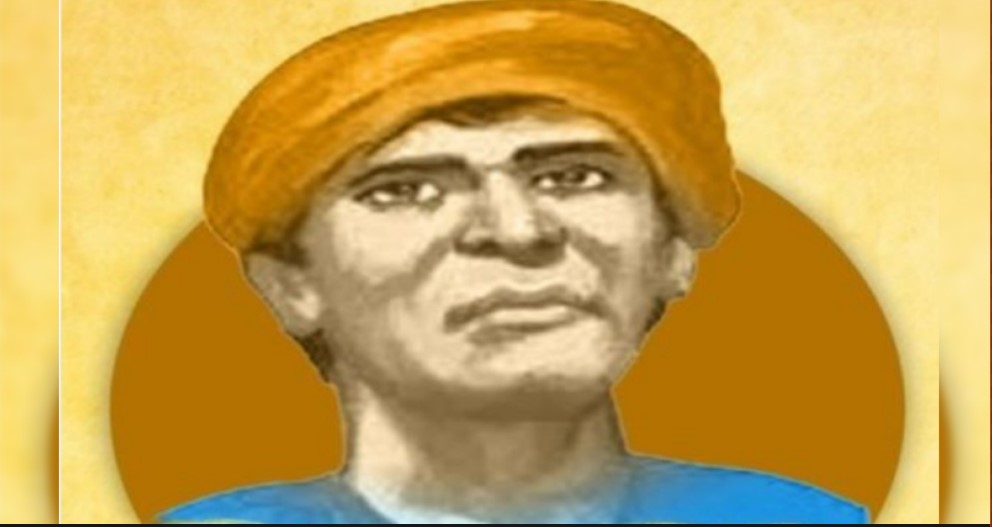
Learn about Budhu Bhagat Biography, his birth, early life, tribal struggle, Kol Rebellion, contributions, sacrifice, death and legacy in Jharkhand history.
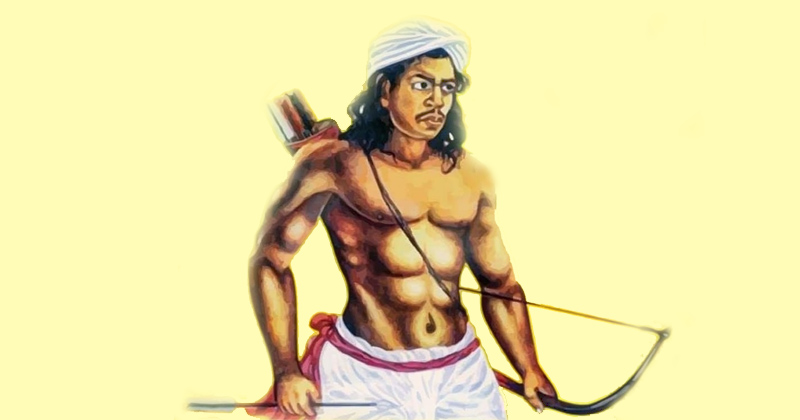
Budhu Bhagat was one of the most courageous tribal freedom fighters and revolutionary leaders in the history of Jharkhand and India. He is remembered for his fearless resistance against British colonial rule, exploitation by landlords, and injustice faced by tribal communities during the early 19th century. His struggle became an important chapter in the history of tribal movements in India.
Belonging to the Oraon tribal community, Budhu Bhagat dedicated his life to protecting the rights, land, culture, and dignity of tribal people. At a time when the British East India Company was expanding its control over tribal regions, many indigenous communities faced heavy taxes, land displacement, forced labour, and social oppression. Budhu Bhagat emerged as a powerful voice against these injustices.
He led the famous Kol rebellion-related tribal resistance movements in the Chotanagpur region and inspired thousands of tribal people to unite against foreign rule and exploitation. His bravery and leadership made him a symbol of tribal pride and resistance.
Unlike many historical figures whose stories were recorded in official documents, the life of Budhu Bhagat was mainly preserved through tribal oral traditions and local histories. His sacrifice represents the determination of tribal communities who fought for freedom and justice long before India’s organized independence movement.
Today, Budhu Bhagat is honoured as one of the early tribal revolutionaries of India. His name continues to inspire generations, especially in Jharkhand, where he is remembered as a hero who fought for the rights of his people.
Quick Information Table
| Information | Details |
|---|---|
| Full Name | Budhu Bhagat |
| Birth | Around 1792 |
| Birth Place | Silagai village, present-day Jharkhand, India |
| Community | Oraon Tribal Community |
| Known For | Tribal resistance against British rule |
| Movement | Kol Rebellion / Tribal Uprising |
| Region of Struggle | Chotanagpur region |
| Main Opponents | British administration and exploitative landlords |
| Role | Tribal leader and revolutionary |
| Death | 1832 |
| Cause of Death | Martyred during British military action |
| Legacy | Symbol of tribal courage and resistance |
Early Life and Birth
Budhu Bhagat was born around 1792 in Silagai village of Chotanagpur region, which is now located in Jharkhand, India. He belonged to the Oraon tribal community, one of the important indigenous communities of the region.
His childhood was spent in a traditional tribal environment where people lived closely connected with forests, agriculture, and natural resources. The tribal society of Chotanagpur had its own customs, social systems, and relationship with land. However, during Budhu Bhagat’s lifetime, these traditional systems started facing serious threats due to British expansion.
The arrival of British administration changed the lives of tribal communities. New land revenue systems, outside landlords, moneylenders, and government officials began interfering with tribal life. Many tribal families lost their ancestral lands because of unfair practices and increasing economic pressure.
Growing up in such conditions, Budhu Bhagat witnessed the suffering of ordinary tribal people. These experiences shaped his personality and later motivated him to become a leader of resistance.
From an early age, Budhu Bhagat was known for his courage, physical strength, and leadership qualities. Tribal traditions, village gatherings, and community responsibilities played an important role in developing his sense of justice.
Family Background
Budhu Bhagat belonged to a simple tribal farming family of the Oraon community. His family lived according to traditional tribal values and depended mainly on agriculture and forest resources for survival.
The Oraon community had a strong social structure based on cooperation, village councils, and collective decision-making. These traditions influenced Budhu Bhagat’s understanding of unity and community leadership.
Although detailed written records about his parents and family members are limited, local traditions describe him as coming from a respected tribal background. His family taught him the importance of protecting land, culture, and community identity.
The struggles faced by his family and fellow villagers under British policies deeply affected him. The increasing control of outsiders over tribal lands became one of the main reasons behind his opposition to British rule.
Education and Childhood
During the early 19th century, formal education facilities were almost unavailable in tribal areas of Chotanagpur. Like most tribal children of that period, Budhu Bhagat did not receive modern schooling.
His education came from traditional tribal knowledge, village experiences, and practical learning. He learned about farming, forests, tribal customs, community leadership, and survival skills from his surroundings.
He developed strong knowledge of local geography, tribal traditions, and the problems faced by villagers. These qualities later helped him organize people during the resistance movements.
Budhu Bhagat was also skilled in traditional fighting techniques. His physical ability and leadership skills helped him gain respect among tribal communities.
Historical Background
To understand Budhu Bhagat’s struggle, it is important to understand the condition of Chotanagpur during British rule.
After gaining political control over different parts of India, the British East India Company expanded its influence into tribal regions. The Chotanagpur area was rich in natural resources and had a large tribal population.
However, British policies created major problems for indigenous communities:
- Introduction of new land revenue systems
- Loss of traditional land rights
- Exploitation by landlords and moneylenders
- Forced labour practices
- Economic hardship among tribal families
The tribal people had traditionally managed their lands through community-based systems. British administration introduced outside systems that often ignored tribal customs and rights.
As a result, anger and dissatisfaction grew among tribal communities. Several tribal leaders emerged to challenge these policies, and Budhu Bhagat became one of the important figures in this resistance.
The tribal uprisings of this period were not only political movements but also struggles to protect identity, culture, and traditional ways of life.
Freedom Struggle and Movements
Budhu Bhagat became one of the strongest voices of resistance against British rule and exploitation in the Chotanagpur region. During the early 19th century, tribal communities were facing severe problems because of British administrative policies, unfair taxation, and exploitation by landlords and moneylenders.
The tribal people of Chotanagpur had a deep connection with their land and forests. However, British policies disturbed their traditional lifestyle. Many tribal families were forced to lose their lands, pay heavy taxes, and work under difficult conditions. This created anger among the tribal population.
Budhu Bhagat organized tribal people and encouraged them to fight against injustice. He believed that unity was the greatest strength of tribal communities. His leadership inspired many people from villages across the region to stand together against oppression.
He became associated with the tribal resistance movements that later became part of the larger Kol Rebellion (1831–1832). The rebellion was one of the major tribal uprisings against British authority before the Revolt of 1857.
Budhu Bhagat and his followers challenged British officials, local landlords, and those who exploited tribal communities. His movement was based on protecting tribal land rights, social dignity, and traditional systems.
His courage made him a respected leader among tribal people. Even though the British had advanced weapons and military power, Budhu Bhagat continued his resistance with determination.
Major Contributions
Budhu Bhagat made several important contributions to the tribal resistance movement in India. His struggle was not only against British rule but also against social and economic injustice faced by indigenous communities.
1. Leadership of Tribal Communities
One of Budhu Bhagat’s biggest contributions was uniting tribal people. At a time when tribal communities were suffering from exploitation, he provided leadership and encouraged them to fight collectively.
He brought confidence among ordinary villagers and showed them that they could resist powerful authorities.
2. Protection of Tribal Land Rights
Land was the foundation of tribal life. Budhu Bhagat strongly opposed the loss of ancestral lands and exploitation by outsiders.
His movement represented the demand of tribal communities to protect their traditional ownership and relationship with their land.
3. Resistance Against British Oppression
Budhu Bhagat challenged British policies and became a symbol of opposition to colonial control. His actions showed that resistance against British rule existed in India long before the nationwide freedom movement.
4. Inspiration for Future Tribal Movements
The courage shown by Budhu Bhagat influenced later tribal leaders and movements in Jharkhand and surrounding regions.
His legacy became an example of bravery, sacrifice, and determination.
Important Events and Battles
The Kol Rebellion (1831–1832)
The most important historical event connected with Budhu Bhagat is the Kol Rebellion. This uprising took place in the Chotanagpur region against British administration and exploitation.
The rebellion was caused by several factors:
- Increasing control of British officials
- Exploitation by landlords
- Loss of tribal land
- Economic suffering
- Disrespect towards tribal traditions
Budhu Bhagat played an important role in mobilizing tribal fighters during this period.
The tribal warriors attacked symbols of oppression and challenged British authority in several areas. Their goal was to protect their community and regain control over their traditional way of life.
Battle Against British Forces
The British government considered the tribal uprising a serious challenge. To suppress the movement, British forces were sent into the region.
Budhu Bhagat and his followers continued their resistance despite facing a powerful military force. His leadership and courage became a source of inspiration for thousands of tribal people.
Arrest, Imprisonment or Sacrifice
The British administration tried to capture Budhu Bhagat because his influence among tribal communities was growing rapidly.
The colonial government considered tribal leaders like Budhu Bhagat a threat because they encouraged people to oppose British control.
During the suppression of the uprising, British forces launched operations against tribal rebels. Budhu Bhagat continued fighting for his people and refused to surrender.
In 1832, British forces surrounded his stronghold at Silagai village. According to historical accounts and local traditions, Budhu Bhagat fought bravely along with his followers.
During this confrontation, Budhu Bhagat and his companions were killed. His sacrifice became a powerful symbol of resistance against injustice.
Although he lost his life, his struggle created a lasting impact on tribal history.
Death and Legacy
Budhu Bhagat died in 1832 while fighting against British forces. His death marked the end of one chapter of tribal resistance, but his ideas and courage continued to live among the people.
He is remembered as a martyr who sacrificed his life for the rights and dignity of tribal communities.
His legacy represents:
- Courage against oppression
- Protection of tribal identity
- Unity among indigenous people
- Fight for justice and freedom
In Jharkhand, Budhu Bhagat is honoured as one of the early heroes of tribal resistance. His name is remembered alongside other tribal leaders who fought against colonial exploitation.
His story also highlights that India’s freedom struggle was not limited to major national movements but included many regional and tribal struggles.
Memorials and Recognition
Budhu Bhagat is widely respected in Jharkhand as a symbol of tribal pride and bravery.
Various institutions, roads, and public places have been named in his honour. His contribution is remembered through cultural programs, tribal gatherings, and historical discussions.
The government and local communities have recognized his role in the history of resistance movements.
His birthplace and the areas connected with his struggle remain important places for people who want to learn about tribal history.
Budhu Bhagat’s story is also included in discussions about early freedom fighters who challenged British rule before the main independence movement gained momentum.
Interesting Facts About Budhu Bhagat
- Budhu Bhagat was one of the earliest tribal freedom fighters of India.
- He belonged to the Oraon tribal community of Chotanagpur.
- He fought against British rule during the early 19th century.
- His struggle was connected with the Kol Rebellion.
- He fought mainly for tribal land rights and dignity.
- He became a symbol of courage among tribal communities of Jharkhand.
- His movement came decades before the Revolt of 1857.
- His life story is preserved mainly through tribal traditions and local history.
- He sacrificed his life while fighting British forces in 1832.
- He remains an inspiration for tribal youth and future generations.
FAQs About Budhu Bhagat
1. Who was Budhu Bhagat?
Budhu Bhagat was a famous tribal freedom fighter and revolutionary leader from the Oraon community of Chotanagpur. He fought against British rule, exploitation, and injustice faced by tribal people in the 19th century.
2. When was Budhu Bhagat born?
Budhu Bhagat was born around 1792 in Silagai village, present-day Jharkhand, India.
3. Which community did Budhu Bhagat belong to?
Budhu Bhagat belonged to the Oraon tribal community of the Chotanagpur region.
4. Why is Budhu Bhagat famous?
Budhu Bhagat is famous for leading tribal resistance against British oppression and fighting for the rights, land, and dignity of tribal communities.
5. Which movement was associated with Budhu Bhagat?
Budhu Bhagat was associated with the Kol Rebellion (1831–1832), a major tribal uprising against British rule and exploitation in the Chotanagpur region.
6. What was the main reason behind Budhu Bhagat’s struggle?
The main reasons behind his struggle were British policies, loss of tribal land rights, heavy taxes, exploitation by landlords, and injustice against tribal communities.
7. When did Budhu Bhagat die?
Budhu Bhagat died in 1832 while fighting against British forces during the suppression of the tribal uprising.
8. How did Budhu Bhagat die?
Budhu Bhagat was martyred during a battle with British forces at Silagai village while defending his people and their rights.
9. What were Budhu Bhagat’s major contributions?
His major contributions include organizing tribal communities, resisting British authority, protecting tribal land rights, and inspiring future tribal movements.
10. Was Budhu Bhagat a freedom fighter?
Yes, Budhu Bhagat was one of the earliest tribal freedom fighters who resisted British colonial rule before the major Indian independence movement.
11. Where did Budhu Bhagat fight against the British?
Budhu Bhagat mainly fought in the Chotanagpur region of Jharkhand.
12. Why is Budhu Bhagat remembered in Jharkhand?
Budhu Bhagat is remembered in Jharkhand as a symbol of tribal pride, courage, sacrifice, and resistance against injustice.
13. Which tribal revolt is linked with Budhu Bhagat?
The Kol Rebellion of 1831–1832 is the major tribal revolt linked with Budhu Bhagat.
14. What is Budhu Bhagat’s legacy?
Budhu Bhagat’s legacy represents bravery, unity, protection of tribal culture, and the fight for justice and freedom.
15. Why is Budhu Bhagat important in Indian history?
Budhu Bhagat is important because he represents the early struggles of tribal communities against colonial exploitation and contributed to India’s long history of resistance against British rule.
Conclusion
Budhu Bhagat was one of the most important tribal heroes in the history of India’s resistance movements. His fight against British oppression showed the courage and determination of tribal communities who defended their land, culture, and identity.
Although he lived during a period when historical records were limited, his bravery continues to inspire people. His struggle proves that the fight for freedom was carried out by many unknown heroes across different parts of India.
Budhu Bhagat’s sacrifice remains an important part of Jharkhand’s history and tribal heritage. He will always be remembered as a symbol of courage, unity, and resistance against injustice.