Read Bhairav Murmu Biography including his birth, family, Santhal Hul movement, struggle against British rule, contributions, death, legacy and interesting facts.
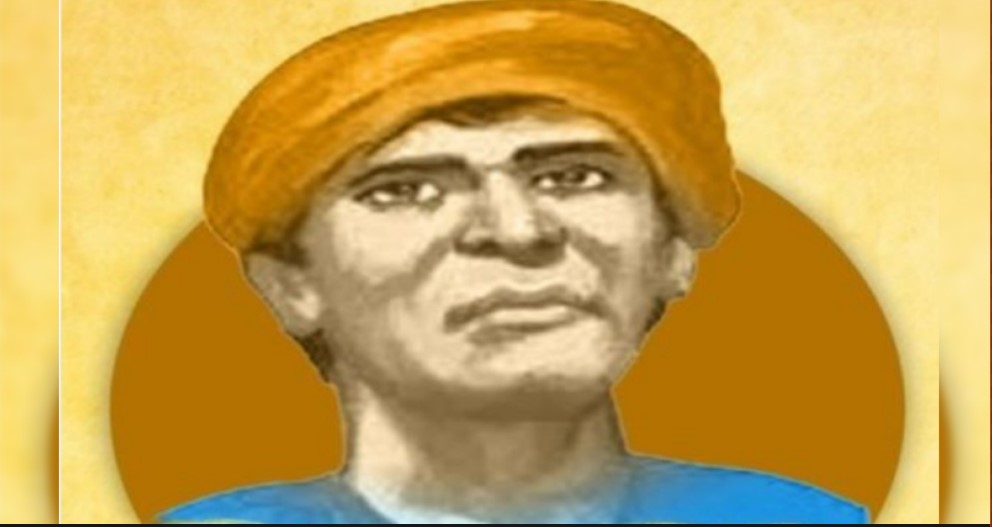
Bhairav Murmu was one of the important tribal leaders who played a significant role in the historic Santhal Hul (Santhal Rebellion) of 1855–1856 against British colonial rule, exploitation, and injustice. He belonged to the Murmu clan of the Santhal community and stood alongside his brothers Sidhu Murmu, Kanhu Murmu, and Chand Murmu during one of the earliest major tribal uprisings against the British East India Company.
The Santhal Hul was not only a rebellion against foreign rule but also a movement to protect tribal land, culture, dignity, and traditional way of life. Bhairav Murmu’s contribution represents the courage and resistance of thousands of tribal people who fought against oppression during the colonial period.
Although history records more information about Sidhu and Kanhu Murmu, Bhairav Murmu’s role as a revolutionary leader remains an important chapter in the history of Jharkhand and India’s freedom struggle.
Quick Information
| Information | Details |
|---|---|
| Name | Bhairav Murmu |
| Community | Santhal Tribe |
| Known For | Santhal Hul (Santhal Rebellion) |
| Birth | 19th Century (Exact date not clearly recorded) |
| Birth Place | Bhognadih region, Santhal Pargana (present-day Jharkhand) |
| Brothers | Sidhu Murmu, Kanhu Murmu, Chand Murmu |
| Movement | Santhal Rebellion 1855–1856 |
| Opponent | British East India Company and exploitative systems |
| Role | Tribal revolutionary leader |
| Death | During suppression of Santhal Rebellion (1855–1856 period) |
Early Life and Birth
Bhairav Murmu was born during the 19th century in the Santhal community of the eastern Indian region. The exact date and year of his birth are not clearly available in historical records. He grew up in the Santhal society, which was deeply connected with forests, agriculture, traditional customs, and community-based living.
The Santhal people had their own social and cultural systems before British expansion. Their relationship with land and nature was central to their identity. However, British policies, revenue systems, and the influence of landlords and moneylenders created severe difficulties for tribal communities.
Bhairav Murmu witnessed the struggles faced by his people from an early age. These experiences shaped his resistance against injustice and encouraged him to participate in the tribal movement.
4Family Background
Bhairav Murmu belonged to the Murmu family, one of the respected families of the Santhal community. He was associated with the family of famous Santhal leaders:
- Sidhu Murmu
- Kanhu Murmu
- Chand Murmu
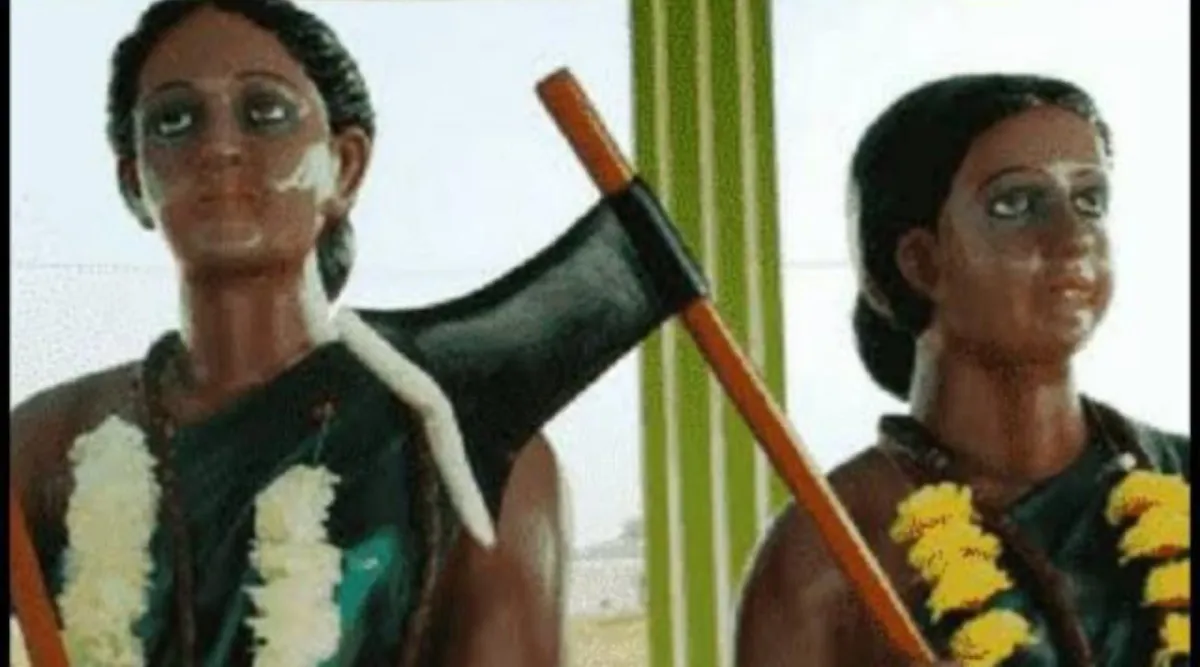
The Murmu brothers became symbols of tribal resistance during the Santhal Hul. Along with them, women leaders such as Phulo and Jhano Murmu also contributed to the movement.
The family became a symbol of unity, bravery, and sacrifice among tribal communities. Their struggle inspired generations of people fighting for justice and rights.
Education and Childhood
Like many tribal leaders of the 19th century, Bhairav Murmu did not receive modern formal education because educational facilities were extremely limited in rural tribal regions during that period.
His knowledge came from traditional Santhal culture, community experiences, and understanding of local issues. He learned about farming practices, tribal traditions, social responsibilities, and the challenges faced by his people.
His leadership qualities developed through his connection with the Santhal community and his understanding of their problems.
Historical Background
Before the Santhal Rebellion, the Santhal community faced increasing exploitation under British rule. The British East India Company introduced new revenue systems that affected traditional tribal life.
Many Santhal farmers suffered because of:
- High taxes
- Land exploitation
- Zamindari pressure
- Moneylender exploitation
- Forced labour practices
The British administration encouraged systems that allowed outsiders, known as “Dikus” in Santhal tradition, to gain influence over tribal lands. This created anger among Santhal communities.
To protect their land and freedom, Santhal leaders decided to organize a large resistance movement.
Freedom Struggle and Movements
Bhairav Murmu became an important figure in the Santhal Hul, which began on 30 June 1855 at Bhognadih village in present-day Jharkhand. The movement was led by Sidhu, Kanhu, Chand, and Bhairav Murmu along with other tribal leaders.
The main objectives of the movement were:
- Freedom from British oppression
- Protection of tribal land
- Ending exploitation by landlords and moneylenders
- Preserving Santhal culture and identity
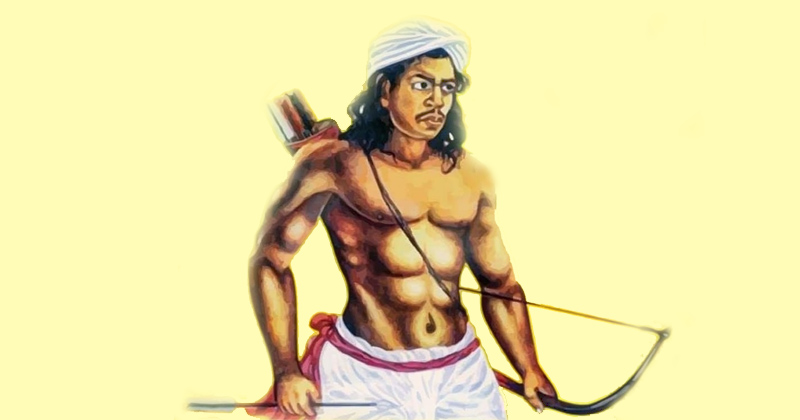
Thousands of Santhal people joined the uprising. They fought using traditional weapons like bows, arrows, and spears against the much stronger British forces.
Major Contributions
Bhairav Murmu’s major contributions include:
Leadership in Santhal Hul
He supported and participated in organizing tribal resistance against British authority.
Protection of Tribal Rights
His struggle represented the demand for land rights, dignity, and freedom for tribal communities.
Inspiring Tribal Unity
The movement united thousands of Santhal people and created awareness about collective resistance.
Contribution to Indian Resistance History
The Santhal Hul became one of the earliest large-scale tribal movements against British rule before the Revolt of 1857.
Important Events and Battles
Beginning of Santhal Hul (1855)
The rebellion started at Bhognadih village when Santhal leaders declared resistance against British policies and exploitation.
Expansion of the Movement
The rebellion spread across parts of present-day Jharkhand and nearby regions. Thousands of tribal people participated.
Battle Against British Forces
The British government responded with military force. Despite showing great courage, Santhal fighters faced a powerful army equipped with modern weapons.
Arrest, Imprisonment or Sacrifice
Historical records about Bhairav Murmu’s exact arrest details are limited. However, like other leaders of the Santhal Hul, he faced severe opposition from British forces during the suppression of the rebellion.
The British eventually crushed the movement after months of fighting. Many Santhal leaders and fighters lost their lives during the struggle.
Bhairav Murmu’s sacrifice became part of the larger story of tribal resistance against colonial rule.
Death and Legacy
Bhairav Murmu died during the period of the Santhal Rebellion (1855–1856). The exact details of his death are not clearly documented.
His legacy continues through:
- Tribal pride and identity
- Santhal cultural traditions
- Historical remembrance of Hul movement
- Inspiration for social justice movements
Today, Bhairav Murmu is remembered as a symbol of bravery and resistance.
Memorials and Recognition
The leaders of the Santhal Hul are remembered across Jharkhand and other regions through:
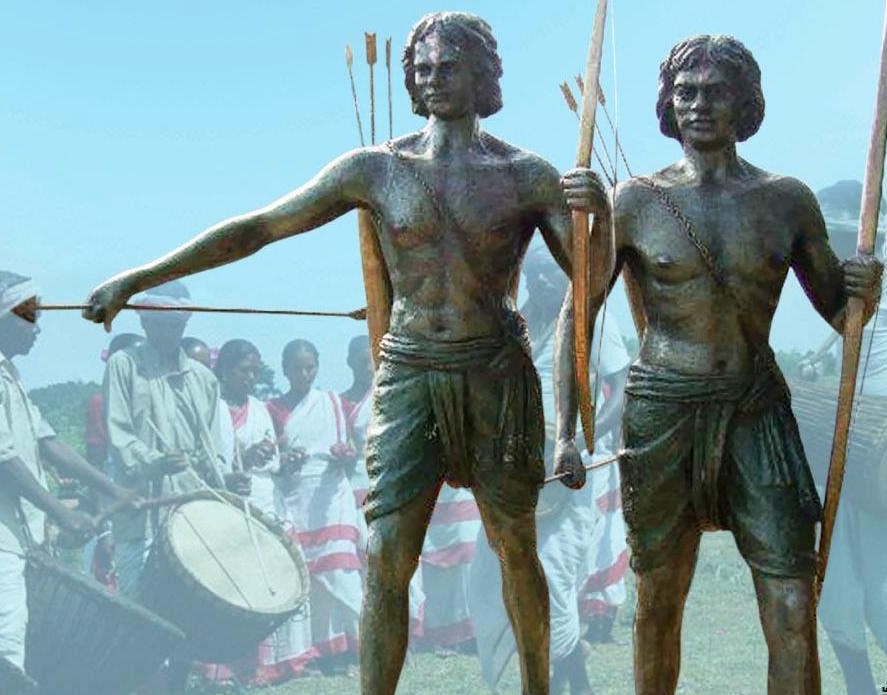
- Statues and memorials
- Cultural programs
- Hul Diwas celebrations
- Educational references
The Santhal community continues to honor Sidhu, Kanhu, Chand, Bhairav, Phulo, and Jhano Murmu for their contribution to tribal history.
Interesting Facts About Bhairav Murmu
- Bhairav Murmu was one of the key leaders of the Santhal Hul.
- He belonged to the Murmu clan of the Santhal community.
- His struggle took place before the Revolt of 1857.
- He fought against British colonial policies and exploitation.
- His name remains connected with tribal resistance history.
- The Santhal Hul is considered one of India’s important early anti-colonial movements
Frequently Asked Questions (FAQs) About Bhairav Murmu
1. Who was Bhairav Murmu?
Bhairav Murmu was a brave Santhal tribal leader who played an important role in the Santhal Hul (Santhal Rebellion) of 1855–1856 against British rule, exploitation, and injustice. He fought alongside Sidhu Murmu, Kanhu Murmu, and Chand Murmu to protect tribal rights and land.
2. What is Bhairav Murmu famous for?
Bhairav Murmu is famous for his contribution to the Santhal Rebellion of 1855, one of the earliest major tribal uprisings against the British East India Company in India.
3. When was Bhairav Murmu born?
The exact birth date and year of Bhairav Murmu are not clearly recorded in historical documents. He was born in the 19th century in the Santhal community.
4. Where was Bhairav Murmu born?
Bhairav Murmu was associated with the Bhognadih region of Santhal Pargana (present-day Jharkhand), which was the center of the Santhal Hul movement.
5. Who were the brothers of Bhairav Murmu?
Bhairav Murmu was associated with the Murmu family of Santhal leaders. His brothers included Sidhu Murmu, Kanhu Murmu, and Chand Murmu, who led the Santhal Hul against British oppression.
6. What was the Santhal Hul?
The Santhal Hul was a tribal rebellion that started in 1855 against British colonial policies, landlords, moneylenders, and exploitation of Santhal people. It was led by Sidhu, Kanhu, Chand, and Bhairav Murmu.
7. Why did Bhairav Murmu fight against the British?
Bhairav Murmu fought against British rule because Santhal communities faced problems such as land exploitation, unfair taxes, forced labour, and oppression by outsiders and colonial authorities.
8. What were Bhairav Murmu’s major contributions?
His major contributions include:
- Supporting the Santhal resistance movement
- Fighting for tribal land and cultural rights
- Encouraging unity among Santhal people
- Becoming a symbol of tribal courage and sacrifice
9. Did Bhairav Murmu participate in the Revolt of 1857?
No. Bhairav Murmu’s struggle was connected with the Santhal Hul (1855–1856), which happened before the Revolt of 1857.
10. How did Bhairav Murmu die?
Bhairav Murmu died during the suppression of the Santhal Rebellion in 1855–1856. Exact details about his death are not clearly available in historical records.
11. Why is Bhairav Murmu remembered today?
Bhairav Murmu is remembered as a symbol of tribal bravery, resistance, and sacrifice. His struggle represents the fight for justice, dignity, and freedom.
12. What is the importance of Bhairav Murmu in Jharkhand history?
Bhairav Murmu is an important figure in Jharkhand’s tribal history because he was part of the movement that challenged British authority and defended Santhal identity and rights.
13. When did the Santhal Hul start?
The Santhal Hul started on 30 June 1855 at Bhognadih village in present-day Jharkhand.
14. Who were the main leaders of the Santhal Rebellion?
The main leaders of the Santhal Rebellion were:
- Sidhu Murmu
- Kanhu Murmu
- Chand Murmu
- Bhairav Murmu
15. What is Bhairav Murmu’s legacy?
Bhairav Murmu’s legacy continues through tribal pride, cultural remembrance, Hul Diwas celebrations, and the recognition of Santhal heroes in Indian history.
Conclusion
Bhairav Murmu was an important figure in the history of tribal resistance in India. His participation in the Santhal Hul showed the courage of tribal communities who fought to protect their land, culture, and dignity.
Although detailed personal information about his life is limited, his contribution to the freedom struggle remains significant. Bhairav Murmu and other Santhal heroes continue to inspire future generations with their message of bravery, unity, and resistance against injustice.
His name remains an important part of Jharkhand’s history and India’s struggle against colonial rule.