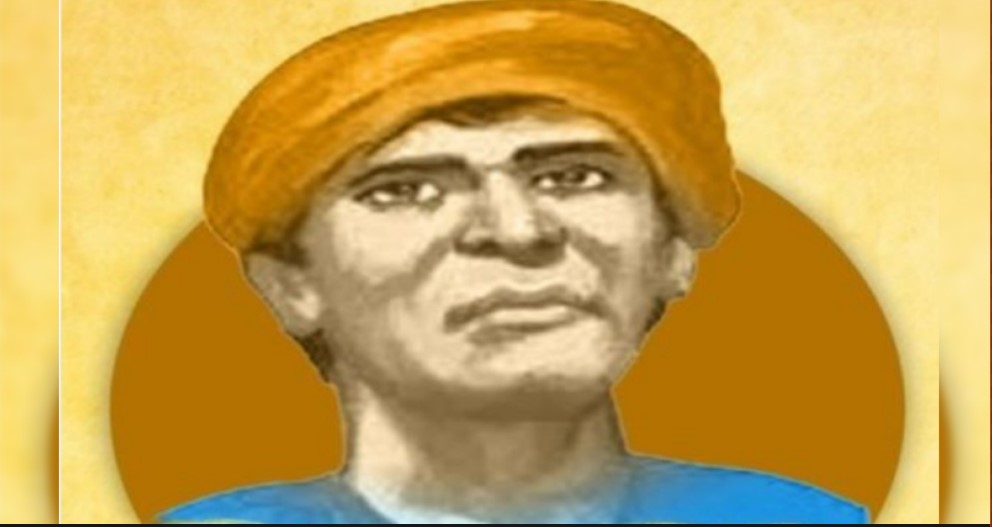
Read Tilka Manjhi’s biography, including his birth, history, tribal rebellion against British rule, major contributions, sacrifice, death, and legacy.
Introduction
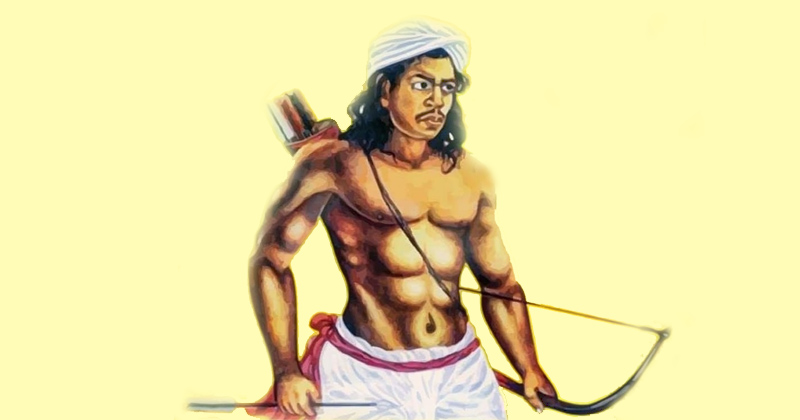
Tilka Manjhi was one of the earliest tribal freedom fighters in Indian history who courageously resisted British rule long before the Revolt of 1857. Known for his fearless leadership, exceptional bravery, and revolutionary spirit, he became a powerful symbol of tribal resistance against colonial oppression. Born as Jabra Pahadia in the Santhal-Pahadia tribal community of present-day Bihar, Tilka Manjhi dedicated his life to protecting the rights, land, and dignity of indigenous people who were suffering under the exploitative policies of the British East India Company and local zamindars.
During the eighteenth century, tribal communities in eastern India faced severe economic hardship due to excessive taxation, forced revenue collection, land alienation, and restrictions on their traditional way of life. The British administration and its allies often exploited tribal populations, leaving them impoverished and marginalized. Witnessing these injustices from a young age, Tilka Manjhi emerged as a courageous leader determined to challenge colonial authority and defend his people.
He organized tribal communities across the forests and hills of Bihar and neighboring regions, encouraging them to unite against oppression. Using his deep knowledge of the local terrain, he adopted guerrilla warfare tactics and launched several attacks on British establishments. His resistance movement is considered one of the earliest organized tribal uprisings against British rule in India. Among the most notable events associated with his struggle was his attack on British officer Augustus Cleveland, an incident that shook the colonial administration and demonstrated the growing strength of tribal resistance.
Tilka Manjhi’s struggle was not merely a fight against foreign rule but also a movement for justice, equality, self-respect, and the protection of tribal rights. He believed that every community had the right to live freely on its ancestral land without fear of exploitation or oppression. His unwavering commitment to these ideals earned him immense respect among tribal people and transformed him into a legendary figure in Indian history.
Although he was eventually captured and executed by the British in 1785, his sacrifice did not end the resistance movement. Instead, his martyrdom inspired future generations of tribal leaders and freedom fighters who continued the fight against colonial rule. Today, Tilka Manjhi is remembered as India’s first tribal revolutionary, a fearless warrior who laid the foundation for later tribal uprisings and contributed significantly to the broader struggle for India’s freedom. His life story remains a source of inspiration, symbolizing courage, resilience, patriotism, and the enduring fight for justice.
Quick Information
| Particular | Details |
|---|---|
| Full Name | Tilka Manjhi |
| Birth Name | Jabra Pahadia |
| Popular Name | Tilka Manjhi |
| Birth Year | February 11, 1750 (commonly accepted) |
| Birth Place | Tilakpur Village, present-day Bihar |
| Community | Santhal/Pahadia Tribe |
| Nationality | Indian |
| Occupation | Tribal Leader, Revolutionary Freedom Fighter |
| Known For | Leading tribal rebellion against British rule |
| Major Enemy | British East India Company |
| Famous Incident | Attack on British officer Augustus Cleveland |
| Death Date | January 13, 1785 |
| Death Place | Bhagalpur, Bihar |
| Legacy | First Tribal Freedom Fighter of India |
Early Life and Birth
Tilka Manjhi was born on February 11, 1750, in Tilakpur village near present-day Bhagalpur in Bihar. His original name was Jabra Pahadia. He belonged to a tribal family that lived in the forests and hills of eastern India.
During his childhood, Tilka witnessed the hardships faced by tribal communities. The British East India Company had started expanding its influence in the region, and tribal people were increasingly subjected to unfair taxes, exploitation, and displacement from their traditional lands.
Growing up amidst forests, Tilka developed remarkable physical strength, hunting skills, and knowledge of the terrain. These abilities later helped him organize guerrilla warfare against British forces. His upbringing in a tribal environment also instilled values of courage, freedom, and community welfare.
The name “Tilka” is believed to have been given to him due to his fiery temperament and fearless personality. From an early age, he displayed leadership qualities and a strong sense of justice, which eventually made him a respected leader among tribal communities.
Family Background Of Tilak Manjhi
Tilka Manjhi was born into a humble tribal family. Historical records about his parents and immediate family are limited because tribal history was primarily preserved through oral traditions rather than written documents.
His family belonged to the indigenous tribal society that depended on agriculture, hunting, and forest resources for survival. Tribal communities lived collectively and followed traditional customs that emphasized harmony with nature.
Like many tribal families of the time, Tilka’s family faced economic difficulties due to British policies and exploitation by local zamindars. These experiences deeply influenced Tilka and shaped his determination to fight for the rights of his people.
The values of bravery, self-respect, and community service that he learned from his family and tribal culture became the foundation of his revolutionary movement.
Education and Childhood
Formal education as we know today was not available to most tribal communities during the eighteenth century. Tilka Manjhi did not receive institutional education, but he possessed extensive practical knowledge gained through life experiences.
As a child, he learned:
- Hunting and archery
- Forest survival techniques
- Traditional tribal customs
- Community leadership skills
- Agricultural practices
- Local geography and terrain
His sharp intelligence and observation skills helped him understand the changing political situation around him. He became aware of the exploitation carried out by British officials and local landlords.
Tilka’s childhood experiences strengthened his connection with tribal culture and inspired him to protect the rights of indigenous communities. His practical wisdom and leadership abilities made him a respected figure even at a young age.
Historical Background
To understand Tilka Manjhi’s struggle, it is important to examine the historical conditions of eighteenth-century India.
After the Battle of Plassey in 1757 and the Battle of Buxar in 1764, the British East India Company gained significant control over Bengal, Bihar, and neighboring regions. The Company introduced harsh revenue policies that severely affected farmers and tribal communities.
Several problems emerged:
Excessive Taxation
British authorities imposed heavy taxes on land and agricultural produce. Tribal people who traditionally lived independently were forced into an exploitative economic system.
Exploitation by Zamindars
Many local landlords collaborated with British officials. They collected excessive taxes and often harassed tribal populations.
Loss of Traditional Rights
Forests, hills, and lands traditionally used by tribal communities came under increasing British control. This threatened their way of life and economic survival.
The Great Bengal Famine of 1770
The devastating famine caused widespread suffering and millions of deaths. Many tribal communities struggled to survive while British authorities continued collecting revenue.
These conditions created deep resentment among tribal populations and laid the foundation for resistance movements. Tilka Manjhi emerged as a leader during this period of hardship and injustice.
Freedom Struggle and Movements
Tilka Manjhi is considered one of the earliest freedom fighters to organize armed resistance against British rule.
Beginning of Resistance
Witnessing the exploitation of tribal communities, Tilka began mobilizing people against British authorities. He traveled across villages and forests, encouraging unity among tribal groups.
His message focused on:
- Protection of tribal rights
- Resistance against oppression
- Freedom from colonial control
- Social justice and equality
Organizing Tribal Communities
Tilka united various tribal groups, including Santhals and Pahadias. This was a significant achievement because tribal communities were often geographically scattered.
He established a network of supporters who shared information, gathered resources, and participated in resistance activities.
Guerrilla Warfare
Recognizing the military superiority of British forces, Tilka adopted guerrilla warfare tactics. His fighters used their knowledge of forests and hills to launch surprise attacks.
Key features of his strategy included:
- Ambush attacks
- Rapid movement through forests
- Use of traditional weapons
- Avoidance of direct confrontation
- Community support networks
These tactics allowed tribal fighters to challenge British forces despite limited resources.
Popular Support
Tilka Manjhi became a symbol of hope for oppressed communities. His commitment to justice earned him widespread respect among tribal populations and poor farmers.
The movement gradually expanded, creating significant challenges for British authorities in the region.
Major Contributions
Tilka Manjhi made several important contributions to India’s history and tribal rights movements.
1. First Organized Tribal Resistance
He led one of the earliest organized tribal rebellions against British colonial rule, decades before the Revolt of 1857.
2. Protection of Tribal Rights
Tilka fought to preserve the traditional rights of tribal communities over land, forests, and natural resources.
3. Promotion of Unity
He successfully united different tribal groups for a common cause, demonstrating the power of collective action.
4. Development of Guerrilla Tactics
His innovative use of guerrilla warfare became an inspiration for later resistance movements across India.
5. Inspiration for Future Freedom Fighters
His courage and sacrifice influenced future generations of revolutionaries and tribal leaders.
6. Voice of the Oppressed
Tilka represented marginalized communities that often lacked political representation and protection.
7. Early National Resistance
Although his struggle was rooted in tribal concerns, it also represented one of the earliest forms of resistance against colonial domination in India.
Important Events and Battles
Mobilization of Tribal Forces
Throughout the late 1770s and early 1780s, Tilka organized tribal communities and launched resistance campaigns against British authorities.
Raids Against British Installations
His followers conducted several attacks on British establishments and revenue collection centers. These actions challenged colonial authority and disrupted administrative operations.
Conflict with Augustus Cleveland
One of the most famous incidents in Tilka Manjhi’s life involved Augustus Cleveland, a British administrator in Bhagalpur.
Cleveland attempted to establish British control over tribal regions through a combination of administrative measures and military pressure. Tilka viewed these policies as a threat to tribal autonomy.
The Historic Arrow Attack
According to popular accounts, Tilka Manjhi climbed a palm tree and shot an arrow at Augustus Cleveland, seriously injuring him. Cleveland later died, making this one of the earliest successful attacks on a senior British official by an Indian revolutionary.
The incident shocked British authorities and intensified efforts to capture Tilka.
Continuous Resistance
Even after increased military operations by the British, Tilka and his followers continued fighting through guerrilla tactics, demonstrating extraordinary resilience and determination.
Arrest, Imprisonment or Sacrifice
Following the attack on Augustus Cleveland, British authorities launched an extensive campaign to capture Tilka Manjhi.
British Counter-Offensive
The British deployed large military forces to suppress the rebellion. They conducted searches across forests and villages, attempting to dismantle Tilka’s support network.
Difficult Conditions
Tilka and his followers faced severe challenges:
- Shortage of food supplies
- Constant military pursuit
- Limited weapons and resources
- Harsh environmental conditions
Despite these difficulties, they continued resisting British forces.
Capture
After prolonged fighting, Tilka Manjhi was eventually captured by the British in 1784. Historical accounts describe the brutal treatment he received after his arrest.
According to popular narratives, he was tied to horses and dragged over a long distance to Bhagalpur as a public display intended to discourage resistance.
Refusal to Surrender Spirit
Even after enduring torture and humiliation, Tilka remained defiant. His unwavering commitment to freedom made him a symbol of courage and resistance.
Death and Legacy
Death
Tilka Manjhi was executed by the British on January 13, 1785, in Bhagalpur, Bihar.
According to historical traditions, he was publicly hanged from a banyan tree. The British hoped that his execution would suppress tribal resistance and discourage future rebellions.
Legacy
Instead of ending resistance, his martyrdom strengthened the spirit of struggle among tribal communities.
His legacy includes:
- Symbol of tribal pride
- Pioneer of anti-colonial resistance
- Inspiration for future freedom fighters
- Defender of indigenous rights
- Hero of social justice movements
Today, Tilka Manjhi is recognized as one of India’s earliest revolutionary heroes who sacrificed his life for freedom and dignity.
Influence on Later Movements
His struggle inspired later tribal uprisings, including:
- Santhal Rebellion (1855–56)
- Munda Ulgulan Movement
- Various anti-colonial tribal movements
His story continues to motivate efforts for tribal empowerment and social justice.
Memorials and Recognition
India has honored Tilka Manjhi through various memorials and institutions.
Tilka Manjhi Bhagalpur University
One of the most significant recognitions is the naming of Tilka Manjhi Bhagalpur University in Bihar after him. The university serves as a reminder of his contributions to Indian history.
Statues and Memorials
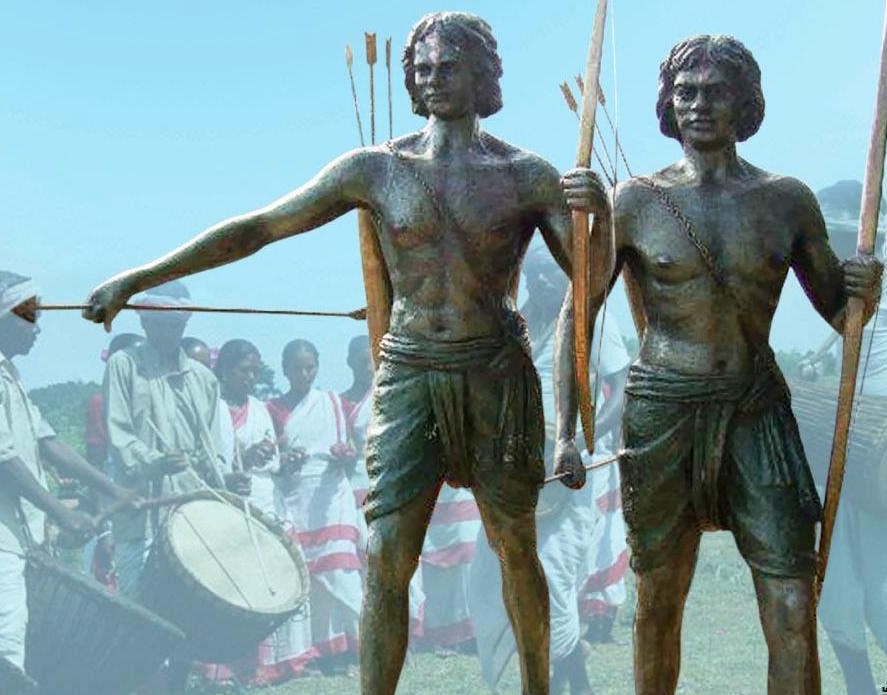
Several statues and memorials have been established in Bihar and Jharkhand to commemorate his bravery and sacrifice.
Government Recognition
State governments regularly organize events and programs to honor his birth anniversary and contributions.
Educational Inclusion
His life and struggle are included in educational materials to educate younger generations about tribal resistance movements.
Cultural Celebrations
Various tribal organizations celebrate Tilka Manjhi Jayanti and organize cultural events highlighting his achievements.
Public Institutions
Roads, parks, schools, and public buildings in different regions have been named after him.
Interesting Facts
- Tilka Manjhi is considered India’s first tribal freedom fighter.
- His original name was Jabra Pahadia.
- He fought against British rule nearly seventy years before the Revolt of 1857.
- He was known for his exceptional archery skills.
- He used guerrilla warfare tactics effectively against British forces.
- He united several tribal communities for a common cause.
- He became a symbol of resistance against colonial oppression.
- The attack on Augustus Cleveland remains one of the most famous events associated with his life.
- Tilka Manjhi Bhagalpur University is named in his honor.
- He is widely celebrated in Bihar and Jharkhand as a legendary tribal hero.
FAQs About Tilka Manjhi
1. Who was Tilka Manjhi?
Tilka Manjhi was one of India’s earliest tribal freedom fighters who led an armed rebellion against the British East India Company in the late eighteenth century. He is widely regarded as the first tribal revolutionary in Indian history.
2. What was Tilka Manjhi’s real name?
Tilka Manjhi’s original name was Jabra Pahadia. The name “Tilka Manjhi” became popular due to his leadership and revolutionary activities among tribal communities.
3. When and where was Tilka Manjhi born?
Tilka Manjhi is believed to have been born on 11 February 1750 in Tilakpur village, near present-day Bhagalpur in Bihar, India.
4. Why is Tilka Manjhi famous?
Tilka Manjhi is famous for leading one of the earliest tribal uprisings against British rule and fighting for the rights, land, and dignity of tribal communities.
5. Which tribe did Tilka Manjhi belong to?
Tilka Manjhi belonged to the Santhal-Pahadia tribal community, which lived in the forested and hilly regions of eastern India.
6. What was the main objective of Tilka Manjhi’s movement?
The main objective of his movement was to resist British exploitation, protect tribal lands and resources, and ensure justice and freedom for indigenous communities.
7. How did Tilka Manjhi fight against the British?
Tilka Manjhi used guerrilla warfare tactics, surprise attacks, and his knowledge of forests and hills to challenge the British East India Company.
8. Who was Augustus Cleveland?
Augustus Cleveland was a British administrator in Bhagalpur. He became a major target of Tilka Manjhi’s resistance movement due to British interference in tribal regions.
9. What happened between Tilka Manjhi and Augustus Cleveland?
According to popular historical accounts, Tilka Manjhi shot an arrow at Augustus Cleveland from a palm tree, seriously injuring him. Cleveland later died, making the incident one of the earliest attacks on a British official by an Indian revolutionary.
10. When was Tilka Manjhi captured?
After years of resistance and guerrilla warfare, Tilka Manjhi was captured by British forces in 1784 following an intensive military campaign.
11. How did Tilka Manjhi die?
Tilka Manjhi was executed by the British on 13 January 1785 in Bhagalpur, Bihar. Historical accounts suggest that he was publicly hanged as punishment for leading the rebellion.
12. Why is Tilka Manjhi called the first tribal freedom fighter of India?
He is called the first tribal freedom fighter because he organized one of the earliest armed revolts against British rule decades before the Revolt of 1857 and inspired future tribal resistance movements.
13. What were Tilka Manjhi’s major contributions?
His major contributions include organizing tribal resistance against colonial rule, protecting tribal rights, promoting unity among indigenous communities, and inspiring future freedom movements.
14. Which university is named after Tilka Manjhi?
Tilka Manjhi Bhagalpur University (TMBU) in Bihar is named in his honor to recognize his contributions to Indian history and tribal society.
15. What is Tilka Manjhi’s legacy today?
Tilka Manjhi is remembered as a symbol of courage, resistance, tribal pride, and patriotism. His life continues to inspire people fighting for justice, equality, and the rights of indigenous communities.
Conclusion
Tilka Manjhi occupies a unique and honored place in Indian history as one of the earliest freedom fighters to challenge British colonial rule. At a time when the British East India Company was expanding its control over eastern India, he fearlessly stood up for the rights, dignity, and freedom of tribal communities. His leadership, courage, and commitment to justice transformed him into a symbol of resistance against oppression.
Through guerrilla warfare, community mobilization, and unwavering determination, Tilka Manjhi demonstrated that even powerful colonial forces could be challenged by united people fighting for their rights. Although he was captured and executed in 1785, his sacrifice did not end the struggle. Instead, it inspired future generations of tribal leaders and freedom fighters across India.
Today, Tilka Manjhi is remembered not only as a tribal hero but also as a pioneer of India’s freedom movement. His life teaches the values of courage, unity, self-respect, and resistance against injustice. The memorials, institutions, and celebrations dedicated to him ensure that his legacy continues to inspire people across the nation. His story remains an important chapter in the history of India’s fight for freedom and the protection of indigenous rights.