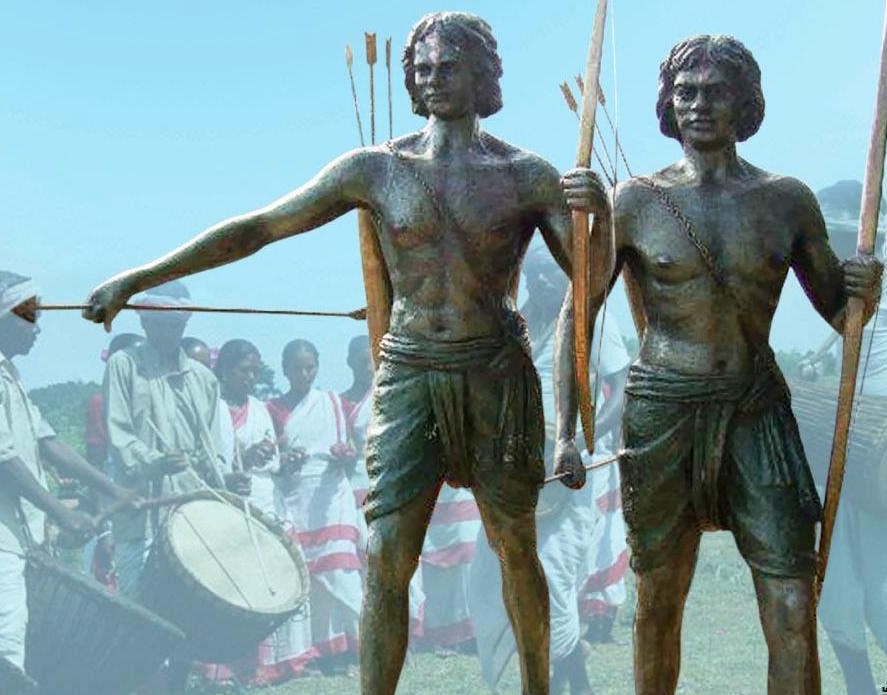
Read the complete biography of Sidhu Murmu, the legendary Santhal freedom fighter who led the Santhal Rebellion of 1855. Learn about his birth, history, struggle, contributions, death, and legacy.
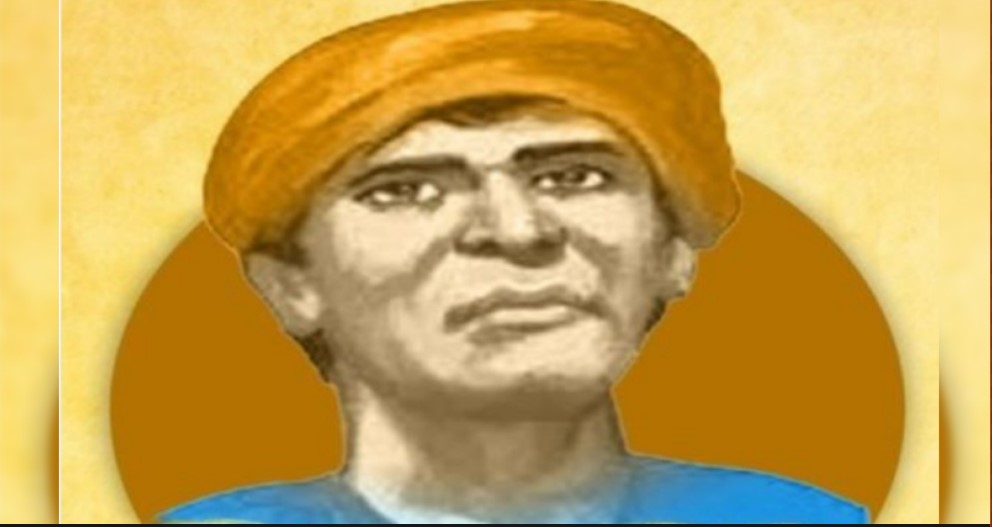
Sidhu Murmu was one of the greatest tribal freedom fighters in Indian history and a pioneering leader of tribal resistance against British colonial rule. Born into the Santhal community, he witnessed firsthand the exploitation, land dispossession, and economic hardships faced by tribal people under the oppressive policies of the British East India Company, local zamindars, and moneylenders. Determined to protect the rights and dignity of his people, Sidhu emerged as a charismatic leader who united thousands of Santhals in a common struggle for justice and self-rule.
Along with his brother Kanhu Murmu, Sidhu led the historic Santhal Rebellion, also known as the Santhal Hul, in 1855. The movement began as a protest against economic exploitation and social injustice but soon developed into one of the largest tribal uprisings against British authority in India. Under Sidhu’s leadership, tens of thousands of Santhal men and women joined the rebellion, demonstrating remarkable courage and unity in the face of a powerful colonial administration.
Sidhu Murmu became a symbol of bravery, resistance, and tribal pride. He inspired his followers with a vision of freedom from oppression and encouraged them to defend their land, culture, and traditional way of life. His leadership transformed a local movement into a significant challenge to British rule in eastern India, drawing attention to the grievances of tribal communities and exposing the injustices of the colonial system.
Although the rebellion was eventually suppressed and Sidhu Murmu sacrificed his life for the cause, his struggle left a lasting impact on Indian history. He is remembered not only as a fearless warrior but also as a champion of tribal rights, social justice, and human dignity. Today, Sidhu Murmu’s legacy continues to inspire generations, and he is honored as one of the earliest freedom fighters whose courage laid the foundation for future movements against colonial rule and exploitation.
Quick Information
| Particular | Details |
|---|---|
| Full Name | Sidhu Murmu |
| Also Known As | Sidhu Kanhu Leader |
| Birth | Around 1820 |
| Birthplace | Bhognadih Village, Present-day Jharkhand |
| Father | Chunnu Murmu |
| Mother | Information not widely available |
| Community | Santhal Tribe |
| Occupation | Tribal Leader, Freedom Fighter |
| Famous For | Leading the Santhal Rebellion of 1855 |
| Movement | Santhal Hul (Santhal Revolution) |
| Main Opponents | British East India Company, Zamindars, Moneylenders |
| Death | August 1855 |
| Legacy | Tribal Freedom Fighter and Symbol of Resistance |
Early Life and Birth
Sidhu Murmu was born around 1820 in Bhognadih village, located in present-day Sahibganj district of Jharkhand. He belonged to the Santhal tribe, one of the largest tribal communities in eastern India.
Growing up in a tribal environment, Sidhu witnessed the hardships faced by his people. The Santhals depended on agriculture and forests for their livelihood, but they were increasingly exploited by British officials, landlords, and moneylenders.
These experiences shaped his determination to fight against injustice from a young age.
Family Background Of Sidhu Murmu
Sidhu Murmu was born into a respected Santhal family. His father, Chunnu Murmu, was known in the local community. Sidhu grew up with his brothers Kanhu, Chand, and Bhairav Murmu.
The Murmu brothers shared a strong sense of unity and leadership. Together they became the central figures of the Santhal movement against British oppression.
Their family values of courage, community service, and tribal identity played an important role in shaping their future struggle.
Education and Childhood
Like most tribal children of his time, Sidhu Murmu did not receive formal education in schools. However, he gained extensive knowledge through traditional tribal customs, oral teachings, and practical experiences.
He learned about agriculture, community leadership, hunting, and tribal laws from elders. His sharp intelligence and leadership qualities earned him respect among the Santhal people.
From an early age, he understood the problems faced by tribal communities and became determined to bring change.
Historical Background
During the early nineteenth century, the British East India Company expanded its control over eastern India. Tribal communities suffered under:
- Excessive taxation
- Land grabbing by landlords
- Exploitation by moneylenders
- Forced labor practices
- Harsh British administrative policies
The Santhals were particularly affected. Many lost their lands and became trapped in debt. Frustration and anger grew among the tribal population.
This situation laid the foundation for the historic Santhal Hul of 1855.
Freedom Struggle and Movements
In June 1855, Sidhu Murmu and Kanhu Murmu organized a massive gathering at Bhognadih village. Thousands of Santhals attended the meeting.
Sidhu declared that the British government, landlords, and moneylenders must be removed from Santhal territories. He called upon tribal communities to unite and fight for their rights.
The movement quickly spread across present-day Jharkhand, Bihar, West Bengal, and Odisha. Tens of thousands of Santhals joined the rebellion.
The uprising became known as the Santhal Hul, meaning “Santhal Revolution.”
Major Contributions
Leadership of the Santhal Rebellion
Sidhu Murmu provided strong leadership during one of the largest tribal uprisings against British rule.
Tribal Unity
He united thousands of Santhals under a common cause and strengthened tribal identity.
Resistance Against Exploitation
He challenged oppressive systems created by British authorities, landlords, and moneylenders.
Inspiration for Future Movements
His struggle inspired later tribal leaders and freedom fighters, including Birsa Munda.
Protection of Tribal Rights
Sidhu fought to preserve tribal lands, culture, and self-governance.
Important Events and Battles
Bhognadih Gathering (30 June 1855)
This historic meeting marked the official beginning of the Santhal Hul.
Expansion of the Rebellion
Thousands of Santhal warriors attacked government offices, police stations, and symbols of colonial authority.
Battles Against British Forces
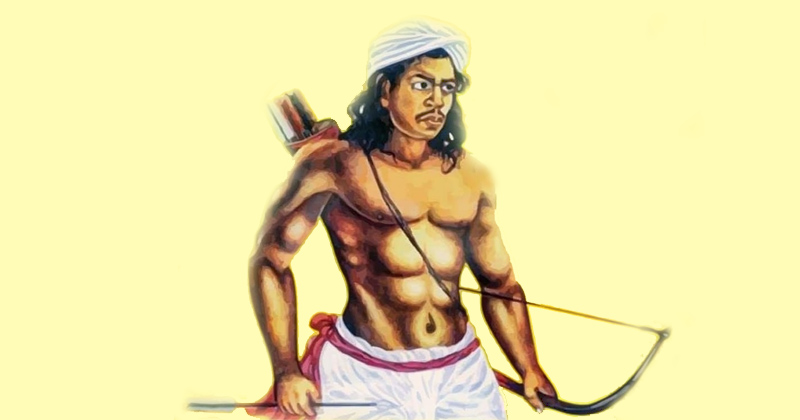
The Santhals fought several engagements against British troops using traditional weapons such as bows, arrows, axes, and spears.
Spread Across Regions
The rebellion expanded throughout large areas of eastern India and became a major challenge for British administration.
Arrest, Imprisonment or Sacrifice
The British government responded with severe military action. Large numbers of troops were deployed to suppress the rebellion.
Sidhu Murmu was eventually captured by British forces in 1855 after intense efforts to crush the movement.
Shortly after his arrest, he was executed by the British authorities. His death transformed him into a martyr for tribal rights and freedom.
Despite his sacrifice, the spirit of resistance continued among the Santhal people.
Death and Legacy
Sidhu Murmu died in August 1855 during the suppression of the Santhal Rebellion.
Although the uprising was eventually crushed, it exposed the injustices faced by tribal communities and forced the British administration to reconsider some of its policies.
Today, Sidhu Murmu is remembered as:
- A tribal hero
- A freedom fighter
- A symbol of resistance
- A protector of indigenous rights
- A pioneer of India’s anti-colonial struggle
His legacy continues to inspire tribal movements and social justice campaigns across India.
Memorials and Recognition
Several institutions and memorials honor Sidhu Murmu’s contributions:
- Sidho Kanho Murmu University is named after Sidhu and Kanhu Murmu.
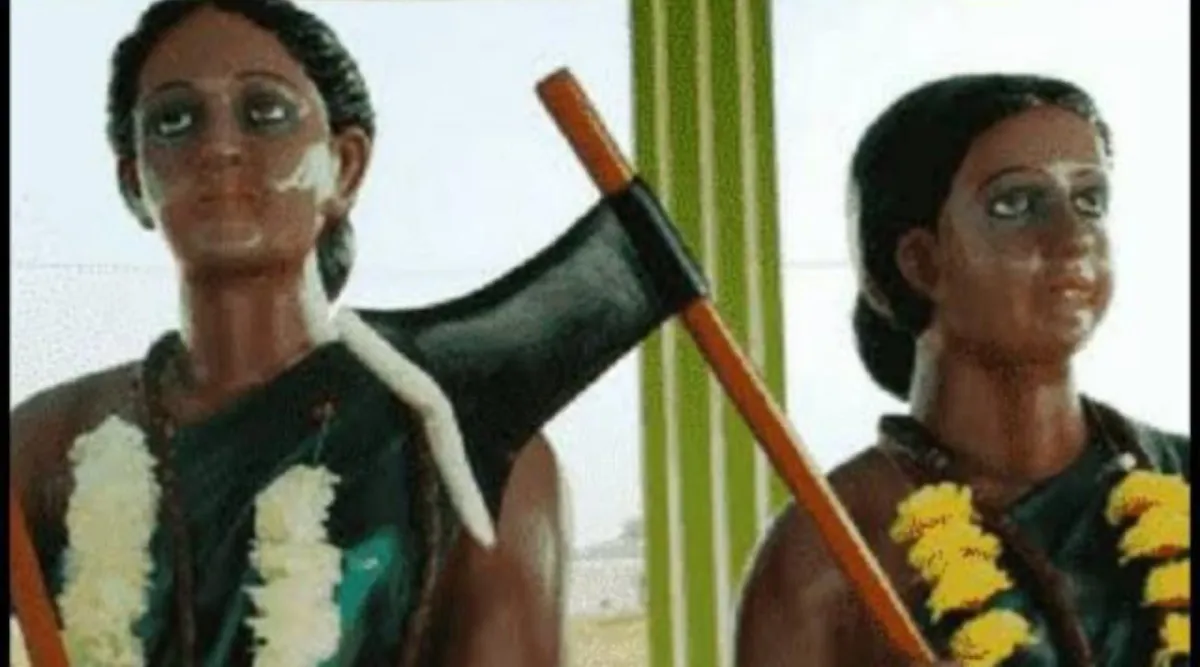
- Statues of Sidhu and Kanhu have been installed in various parts of Jharkhand.
- Santhal Hul Day is observed every year on 30 June.
- Government programs and cultural events commemorate their sacrifice.
- Their story is taught in regional history and tribal studies.
Interesting Facts About Sidhu Murmu
- Sidhu Murmu led one of the largest tribal revolts before the Revolt of 1857.
- More than 50,000 Santhals reportedly joined the movement.
- He claimed divine blessings to inspire unity among the Santhal people.
- The Santhal Rebellion began on 30 June 1855.
- He worked closely with his brothers Kanhu, Chand, and Bhairav Murmu.
- He is considered one of the earliest tribal freedom fighters of India.
- His struggle focused on both political freedom and social justice.
Frequently Asked Questions (FAQs) About Sidhu Murmu
1. Who was Sidhu Murmu?
Sidhu Murmu was a prominent Santhal tribal leader and freedom fighter who led the Santhal Rebellion (Santhal Hul) of 1855 against British colonial rule, oppressive landlords, and moneylenders.
2. Why is Sidhu Murmu famous?
Sidhu Murmu is famous for organizing and leading one of the largest tribal uprisings in Indian history. His leadership during the Santhal Hul made him a symbol of resistance, courage, and tribal unity.
3. When and where was Sidhu Murmu born?
Sidhu Murmu was born around 1820 in Bhognadih village, which is located in the present-day Sahibganj district of Jharkhand, India.
4. Who were Sidhu Murmu’s brothers?
Sidhu Murmu had three brothers—Kanhu Murmu, Chand Murmu, and Bhairav Murmu. All of them played important roles in the Santhal Rebellion.
5. What was the Santhal Rebellion?
The Santhal Rebellion, also known as the Santhal Hul, was a major tribal uprising that began on 30 June 1855 against British rule and the exploitation of tribal communities by landlords and moneylenders.
6. What were the main causes of the Santhal Rebellion?
The rebellion was caused by excessive taxation, land grabbing, debt traps created by moneylenders, forced labor, and the oppression of tribal communities under British administration.
7. How did Sidhu Murmu lead the rebellion?
Sidhu Murmu united thousands of Santhals, organized meetings, inspired resistance against colonial authorities, and led the movement to protect tribal rights, land, and culture.
8. When did Sidhu Murmu die?
Sidhu Murmu was captured by British forces and executed in August 1855 during the suppression of the Santhal Rebellion.
9. What is Sidhu Murmu’s contribution to India’s freedom struggle?
Sidhu Murmu was among the earliest freedom fighters to challenge British authority. His movement inspired future tribal and anti-colonial struggles across India.
10. How is Sidhu Murmu remembered today?
Sidhu Murmu is remembered as a tribal hero and martyr. Statues, memorials, educational institutions, and annual celebrations such as Santhal Hul Day honor his legacy.
11. What is Sidho Kanho Murmu University?
Sidho Kanho Murmu University is a public university in Dumka, Jharkhand, named in honor of Sidhu Murmu and his brother Kanhu Murmu for their contributions to tribal empowerment and freedom.
12. Why is Sidhu Murmu important in tribal history?
Sidhu Murmu is important because he gave a strong voice to tribal communities, fought against injustice, and became a lasting symbol of indigenous resistance and self-respect.
13. What does the term “Santhal Hul” mean?
“Santhal Hul” means “Santhal Revolution” or “Santhal Uprising.” It refers to the mass movement led by Sidhu and Kanhu Murmu against British oppression in 1855.
14. Did the Santhal Rebellion influence later freedom movements?
Yes, the Santhal Rebellion inspired later tribal movements and freedom fighters by demonstrating the power of organized resistance against colonial rule.
15. What lessons can we learn from Sidhu Murmu’s life?
Sidhu Murmu’s life teaches us the values of courage, unity, leadership, sacrifice, and the importance of standing up against injustice and oppression.
Conclusion
Sidhu Murmu occupies a special place in India’s history as one of the earliest tribal freedom fighters who challenged British colonial rule. His leadership during the Santhal Hul of 1855 demonstrated extraordinary courage, determination, and commitment to justice. Though he sacrificed his life for the cause, his legacy continues to inspire generations. Today, Sidhu Murmu remains a symbol of tribal pride, resistance against oppression, and the enduring struggle for freedom and dignity.