Read Jhano Murmu Biography including her birth, family, Santhal Hul rebellion, struggle against British rule, contributions, death, legacy and interesting facts.
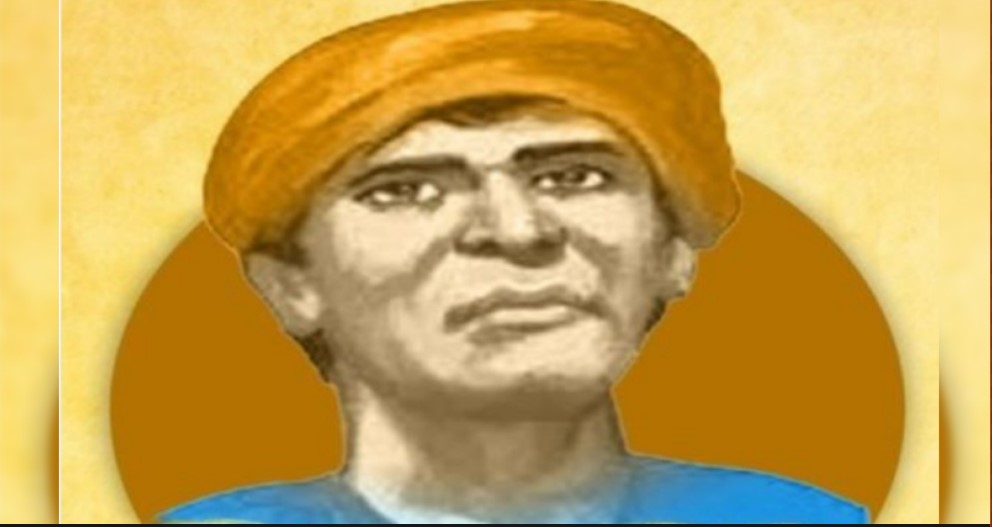
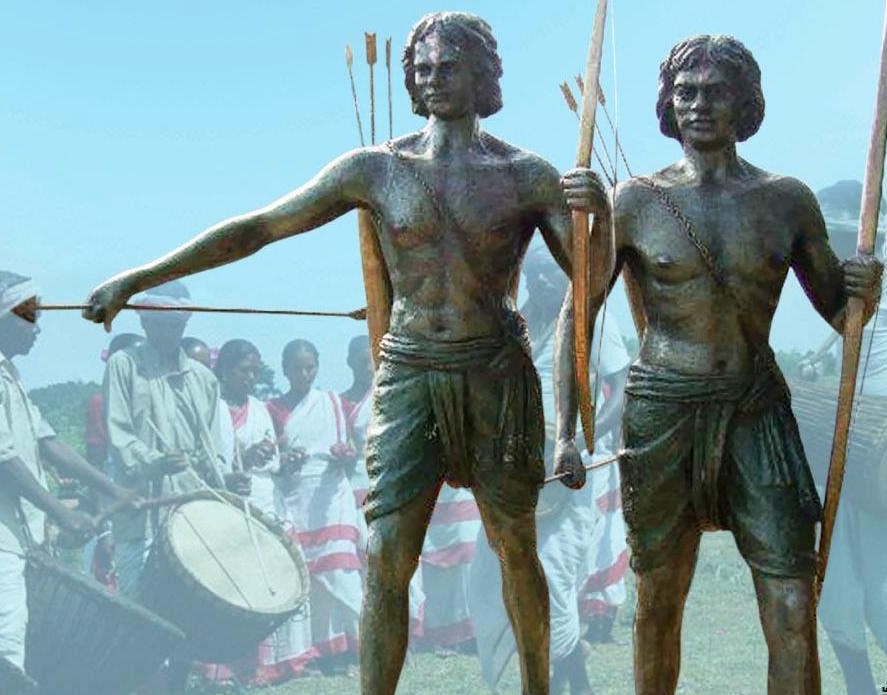
Jhano Murmu was one of the brave tribal women warriors associated with the historic Santhal Hul (Santhal Rebellion) of 1855–1856, one of the most important tribal uprisings against British colonial rule in India. Along with her sister Phulo Murmu and brothers Sidhu Murmu, Kanhu Murmu, Chand Murmu, and Bhairav Murmu, Jhano played a significant role in the resistance movement of the Santhal community against British exploitation, oppressive zamindari practices, and injustice.
The story of Jhano Murmu represents courage, sacrifice, and the powerful role of tribal women in India’s freedom struggle. Although many mainstream historical accounts focus mainly on male leaders, Jhano and Phulo Murmu became symbols of women’s participation in anti-colonial movements. Their bravery continues to inspire generations, especially among tribal communities of Jharkhand, Bihar, West Bengal, and Odisha.
The Santhal Rebellion was not only a fight against British rule but also a movement against the exploitation of tribal people by landlords, moneylenders, and colonial authorities. The Santhal people faced problems such as unfair taxation, land grabbing, forced labour, and social oppression. Under the leadership of the Murmu family, thousands of Santhals united and raised their voice for freedom and dignity.
Jhano Murmu’s life reflects the strength of tribal women who stood on the battlefield during one of India’s earliest organized resistance movements. Her sacrifice made her an important figure in tribal history and India’s struggle against colonial domination.
Quick Information
| Information | Details |
|---|---|
| Name | Jhano Murmu |
| Known For | Santhal Hul (Santhal Rebellion) |
| Community | Santhal Tribe |
| Birth Place | Santhal region (present-day Jharkhand region) |
| Father | Chunu Murmu (traditional accounts mention) |
| Siblings | Sidhu, Kanhu, Chand, Bhairav, Phulo |
| Movement | Santhal Rebellion 1855–1856 |
| Role | Tribal freedom fighter and warrior |
| Famous For | Fighting against British rule and exploitation |
| Death | Martyred during Santhal Hul |
| Legacy | Symbol of tribal courage and women’s resistance |
Early Life and Birth
The exact birth date of Jhano Murmu is not clearly recorded in official historical documents. Like many tribal leaders of the 19th century, details about her early life were preserved mainly through oral traditions, folk songs, and stories passed down among the Santhal community.
Jhano Murmu was born into a Santhal family in the region that is now part of Jharkhand. The Santhal community had a deep connection with forests, agriculture, and their traditional way of life. Their society valued community cooperation, cultural identity, and respect for nature.
During Jhano’s childhood, the lives of Santhal people were heavily affected by changes introduced under British colonial rule. The British East India Company expanded revenue collection systems and encouraged zamindars and moneylenders to control tribal lands. Many Santhal families suffered because of increasing debts, land loss, and exploitation.
Growing up in such an environment shaped Jhano Murmu’s understanding of injustice. She witnessed the struggles of her people and developed a strong sense of responsibility toward protecting her community.
Family Background
Jhano Murmu belonged to the respected Murmu family of the Santhal community. Her family became historically important because several members played major roles in the Santhal Hul of 1855.
Her brothers:
- Sidhu Murmu – One of the main leaders of the Santhal Rebellion.
- Kanhu Murmu – A key commander and organizer of the movement.
- Chand Murmu – One of the leaders who supported the uprising.
- Bhairav Murmu – Another important figure in the rebellion.
Her sister Phulo Murmu also fought alongside Jhano and became remembered as a fearless tribal heroine.
The Murmu family became a symbol of resistance because they united thousands of Santhal people against colonial oppression. Their leadership gave confidence to tribal communities who had suffered for many years.
Education and Childhood
There is limited written information available about Jhano Murmu’s formal education. During the 19th century, education facilities were extremely limited in tribal regions, especially for women.
Like most Santhal children of that period, Jhano likely learned traditional skills from her community. Her education came through:
- Tribal customs and traditions
- Knowledge of forests and agriculture
- Community values
- Folk stories and cultural practices
- Survival and fighting skills
Santhal society gave importance to courage, unity, and respect for elders. These values influenced Jhano’s personality and prepared her for the challenges she later faced during the rebellion.
Historical Background
To understand Jhano Murmu’s struggle, it is important to understand the condition of Santhal society during British rule.
The British East India Company introduced new administrative and revenue systems that changed traditional tribal life. Many Santhal farmers faced increasing pressure from:
- Zamindars collecting high taxes
- Moneylenders charging heavy interest
- Colonial officials enforcing unfair laws
- Loss of ancestral lands
The Santhal people who once lived independently on their lands became trapped in debt and exploitation. Many were forced to work under difficult conditions.
The situation created anger among Santhal communities, eventually leading to the great uprising known as Santhal Hul.
On 30 June 1855, Sidhu and Kanhu Murmu gathered thousands of Santhal people at Bhognadih and declared resistance against British oppression. Jhano and Phulo Murmu also became part of this historic struggle.
The rebellion became one of the earliest large-scale tribal movements against colonial rule in India.
Freedom Struggle and Movements
Jhano Murmu became an important figure during the Santhal Hul (Santhal Rebellion) of 1855–1856, one of the earliest tribal movements against British colonial rule in India. The rebellion was started by the Santhal community to fight against injustice, exploitation, and the loss of their traditional rights.
The Santhal Hul was led mainly by the Murmu brothers — Sidhu and Kanhu Murmu — but the participation of women warriors like Jhano Murmu and Phulo Murmu showed that the movement was not limited to men. Tribal women actively contributed as fighters, messengers, supporters, and protectors of their community.
Jhano Murmu joined the struggle because she witnessed the suffering of her people. The British administration and their local agents had created an environment where many Santhal families lost their land and freedom. Moneylenders often trapped tribal farmers in debt, while landlords and officials exploited them.
The Santhals believed that they had the right to live freely on their ancestral lands. Their movement was a fight for:
- Protection of tribal land rights
- Freedom from exploitation
- Justice for oppressed communities
- Preservation of Santhal culture and identity
Jhano Murmu stood with thousands of Santhal warriors who challenged one of the strongest colonial powers of that time.
Major Contributions of Jhano Murmu
Although historical records about Jhano Murmu are limited, tribal traditions remember her as a fearless warrior who made important contributions during the Santhal uprising.
1. Participation in Santhal Hul
Jhano Murmu’s biggest contribution was her active involvement in the Santhal Hul. She fought alongside her community during the rebellion and encouraged tribal people to resist oppression.
2. Representation of Tribal Women
Jhano Murmu became an example of women’s courage in Indian history. At a time when women had limited opportunities in public life, she participated directly in a major resistance movement.
Her story proves that women played an important role in India’s freedom struggles even before the organized national movements of the 20th century.
3. Protecting Community Rights
Jhano fought for the rights and dignity of the Santhal people. Her struggle was connected with protecting tribal identity, culture, and traditional lifestyle.
4. Inspiring Future Generations
Jhano Murmu’s sacrifice continues to inspire tribal communities. She represents courage, unity, and resistance against injustice.
Her name is remembered alongside other tribal heroes who fought against colonial rule.
Important Events and Battles
Santhal Hul Beginning (1855)
The Santhal Rebellion officially began on 30 June 1855 at Bhognadih village, located in present-day Jharkhand. Thousands of Santhal people gathered under the leadership of Sidhu and Kanhu Murmu.
The gathering became a historic moment because the Santhal community openly challenged British authority.
Jhano Murmu and other women warriors supported the movement and participated in the resistance.
Battle Against British Forces
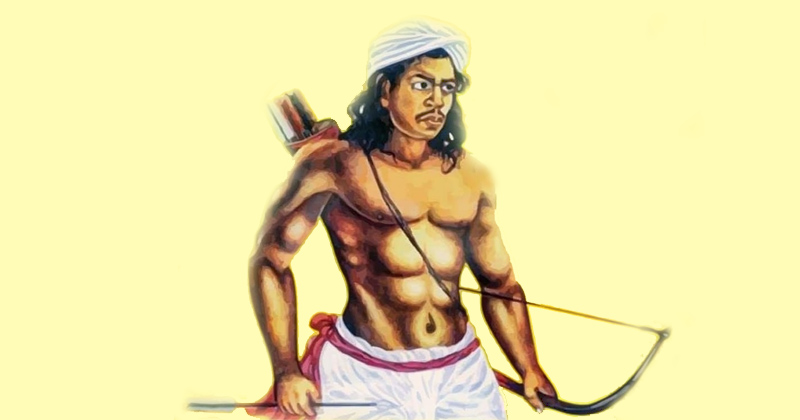
After the rebellion began, British authorities sent military forces to control the uprising. The Santhal warriors fought with traditional weapons including:
- Bows and arrows
- Axes
- Spears
- Traditional weapons
Despite having fewer resources compared to the British army, the Santhal fighters showed remarkable bravery.
Jhano Murmu and other warriors demonstrated strong determination and refused to surrender easily.
Role of Women Warriors
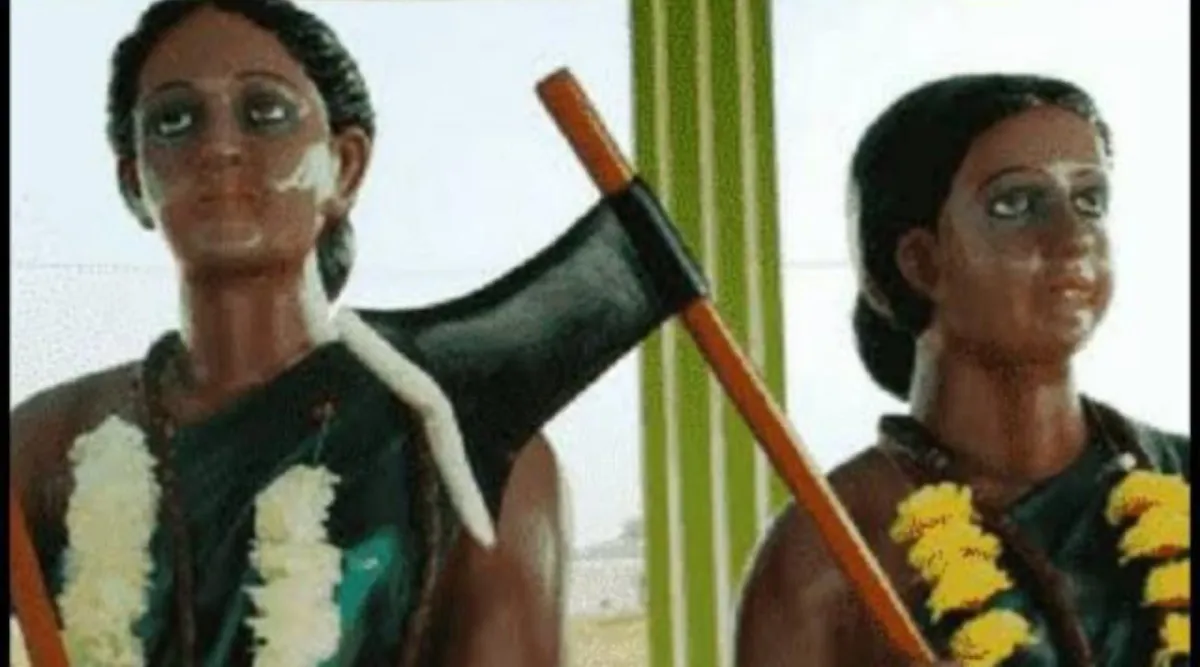
The Santhal Hul is also remembered because women actively participated in the battlefield. Jhano Murmu and Phulo Murmu became symbols of women’s bravery.
They encouraged fighters, supported the movement, and stood against colonial forces.
Their participation challenged the idea that only men could lead armed resistance movements.
Arrest, Imprisonment or Sacrifice
The Santhal rebellion was eventually suppressed by the British army because of their superior weapons and military resources.
Many Santhal leaders and fighters were killed during the conflict. Sidhu and Kanhu Murmu were captured and executed by British authorities.
Jhano Murmu’s exact details regarding arrest or imprisonment are not clearly available in official records. However, traditional accounts describe her as a warrior who sacrificed her life while fighting for her community.
Her death became a symbol of courage and resistance. She became remembered not because of political power or wealth, but because of her dedication to justice and freedom.
Death and Legacy
The exact date and circumstances of Jhano Murmu’s death are not clearly documented. However, tribal histories remember her as a martyr of the Santhal Hul.
Her sacrifice represents the contribution of tribal communities in India’s resistance against colonial rule.
Jhano Murmu’s legacy includes:
- Courage against injustice
- Tribal pride and identity
- Women’s participation in freedom movements
- Protection of cultural heritage
Today, she is honored as one of the brave women warriors of tribal history.
Her story reminds people that India’s freedom struggle included many unknown heroes from villages and tribal regions.
Memorials and Recognition
Over time, Jhano Murmu and other Santhal heroes have received recognition in Jharkhand and other tribal regions.
Her name is remembered through:
- Cultural programs
- Tribal festivals
- Educational discussions
- Folk songs and stories
- Memorial events
The government and tribal organizations have highlighted the contribution of Santhal leaders in Indian history.
The Santhal Hul is now recognized as an important chapter in India’s freedom movement because it represented one of the earliest organized challenges against British colonial rule.
Jhano Murmu continues to be respected as a symbol of tribal women’s bravery.
Interesting Facts About Jhano Murmu
1. Jhano Murmu was a woman warrior
She was among the few recorded tribal women who participated directly in an armed rebellion against British rule.
2. She belonged to the Santhal community
Jhano was part of the Santhal tribe, one of India’s major indigenous communities.
3. She fought during the Santhal Hul
Her name is connected with the historic Santhal Rebellion of 1855–1856.
4. She came from a revolutionary family
Several members of her family became leaders of the Santhal movement.
5. Her story survived through oral history
Many details about Jhano Murmu were preserved through tribal traditions, songs, and storytelling.
6. She represents women’s courage
Jhano Murmu is remembered as an example of fearless leadership and sacrifice.
FAQs About Jhano Murmu
1. Who was Jhano Murmu?
Jhano Murmu was a brave Santhal tribal woman warrior who participated in the Santhal Hul (Santhal Rebellion) of 1855–1856 against British colonial rule and exploitation. She is remembered as a symbol of tribal courage and women’s participation in India’s freedom struggle.
2. What is Jhano Murmu famous for?
Jhano Murmu is famous for her bravery during the Santhal Rebellion. She fought alongside her family and Santhal warriors against British rule, injustice, and exploitation.
3. When was Jhano Murmu born?
The exact birth date of Jhano Murmu is not clearly recorded in historical documents. She belonged to the Santhal community of the 19th century.
4. Where was Jhano Murmu born?
Jhano Murmu was born in the Santhal region, which is now part of the Jharkhand region of India.
5. Which tribe did Jhano Murmu belong to?
Jhano Murmu belonged to the Santhal tribe, one of the largest tribal communities in India.
6. What was the Santhal Hul?
The Santhal Hul was a major tribal rebellion against British rule that took place from 1855 to 1856. It was led by leaders like Sidhu Murmu and Kanhu Murmu against British officials, zamindars, and moneylenders.
7. Who were Jhano Murmu’s brothers?
Jhano Murmu’s brothers included Sidhu Murmu, Kanhu Murmu, Chand Murmu, and Bhairav Murmu, who were important leaders of the Santhal rebellion.
8. Who was Phulo Murmu?
Phulo Murmu was Jhano Murmu’s sister and another brave woman warrior who participated in the Santhal Hul along with Jhano.
9. What role did Jhano Murmu play in the Santhal Rebellion?
Jhano Murmu supported the Santhal resistance movement and fought for the rights, dignity, and freedom of her community against British oppression.
10. Why is Jhano Murmu important in Indian history?
Jhano Murmu is important because she represents the courage of tribal women who participated in India’s early resistance movements against colonial rule.
11. When did Jhano Murmu die?
The exact date and details of Jhano Murmu’s death are not clearly documented, but she is remembered as a martyr of the Santhal Hul.
12. Was Jhano Murmu a freedom fighter?
Yes, Jhano Murmu is considered a tribal freedom fighter because of her role in resisting British colonial rule during the Santhal rebellion.
13. What weapons did Santhal warriors use during the rebellion?
Santhal warriors mainly used traditional weapons such as bows, arrows, axes, and spears during their fight against British forces.
14. Where did the Santhal Hul begin?
The Santhal Hul began at Bhognadih village in present-day Jharkhand on 30 June 1855.
15. Why is Jhano Murmu remembered today?
Jhano Murmu is remembered for her bravery, sacrifice, and contribution to tribal history. She remains an inspiration for women and tribal communities.
16. What is Jhano Murmu’s legacy?
Her legacy represents courage, resistance against injustice, tribal pride, and the important role of women in India’s freedom movements.
17. Is Jhano Murmu mentioned in official history books?
Jhano Murmu has received less attention in mainstream historical records, but her story is preserved through tribal traditions, folk songs, and regional histories.
18. What lesson can we learn from Jhano Murmu’s life?
Jhano Murmu’s life teaches the importance of courage, unity, protecting rights, and standing against injustice.
19. Which year did the Santhal Rebellion happen?
The Santhal Rebellion happened between 1855 and 1856 during British colonial rule.
20. Why is Jhano Murmu considered a tribal heroine?
Jhano Murmu is considered a tribal heroine because she courageously fought for her community and became a symbol of resistance and bravery.
Conclusion
Jhano Murmu was one of the courageous women warriors of India’s tribal history. Her contribution to the Santhal Hul represents the bravery and determination of indigenous communities who fought against oppression.
Although historical records about her life are limited, her story continues to live through tribal traditions and cultural memories. She proved that women played a powerful role in India’s resistance movements.
Jhano Murmu’s life teaches the importance of courage, unity, and standing against injustice. Her sacrifice remains an inspiration for future generations and a proud chapter in the history of Jharkhand and India.
Jhano Murmu will always be remembered as a fearless tribal heroine who fought for dignity, freedom, and the rights of her people.