Read the complete Phulo Murmu Biography including her birth, family background, Santhal Hul movement, struggle against British rule, contributions, sacrifice, death and legacy.
Phulo Murmu was one of the brave tribal women leaders associated with the historic Santhal resistance movement against British colonial rule and exploitation in the 19th century. She is remembered as a symbol of courage, sacrifice, and resistance among the Santhal community. Along with her sister Jhano Murmu, Phulo played an important role during the Santhal rebellion, also known as the Santhal Hul of 1855–56, which became one of the earliest organized tribal uprisings against British rule in India.
The Santhal Hul was not only a fight against the British East India Company but also a struggle against the unfair systems created by British officials, moneylenders, landlords, and local exploiters who oppressed tribal communities. Phulo Murmu stood with her people during this difficult period and inspired many Santhal warriors to fight for justice, freedom, and dignity.
Although historical records about Phulo Murmu’s personal life are limited compared to male leaders of the Santhal rebellion, her name continues to live through tribal traditions, oral histories, and cultural memories. She represents the powerful role of women in India’s freedom struggles and tribal movements.
Phulo Murmu’s bravery shows that women were not only supporters but also active fighters in India’s resistance against foreign domination. Her contribution remains an important part of Jharkhand’s tribal history and India’s struggle against colonial oppression.
Quick Information
| Information | Details |
|---|---|
| Name | Phulo Murmu |
| Known For | Santhal Hul (Santhal Rebellion) |
| Community | Santhal Tribe |
| Birth | 19th Century (Exact date not clearly recorded) |
| Birthplace | Santhal region (present-day Jharkhand/Jharkhand-Bihar region) |
| Sister | Jhano Murmu |
| Famous Movement | Santhal Rebellion of 1855–56 |
| Role | Tribal woman warrior and freedom fighter |
| Opponent | British East India Company and exploitative systems |
| Legacy | Symbol of tribal courage and women’s resistance |
Early Life and Birth
Phulo Murmu was born in the 19th century in the Santhal tribal region of eastern India. The exact date and place of her birth are not clearly documented in official historical sources because the lives of many tribal heroes and heroines were preserved mainly through oral traditions rather than written records.
She belonged to the Santhal community, one of the largest tribal groups in India. The Santhals traditionally lived close to forests and depended on agriculture, hunting, and natural resources for their livelihood. Their society had strong cultural traditions, community values, and a deep connection with nature.
During Phulo Murmu’s childhood, the lives of tribal people were becoming increasingly difficult because of the expansion of British control. The introduction of new land systems, heavy taxes, and exploitation by moneylenders created serious problems for Santhal families.
Growing up in such an environment, Phulo witnessed the struggles faced by her community. These experiences shaped her understanding of injustice and later influenced her participation in the Santhal resistance movement.
Family Background
Phulo Murmu belonged to a Santhal family that valued courage, community responsibility, and cultural traditions. She was closely associated with her sister Jhano Murmu, who also became a famous figure of the Santhal rebellion.
The Murmu family lived during a period when tribal communities were fighting to protect their land, identity, and independence. The Santhal society respected bravery and leadership, and women played important roles in maintaining social and cultural life.
Phulo and Jhano grew up understanding the challenges faced by their people. Their family background and social environment influenced their determination to stand against injustice.
The sisters became examples of women’s participation in tribal resistance. Their story continues to inspire generations, especially among tribal communities in Jharkhand, Bihar, and neighboring regions.
Education and Childhood
Like many tribal women of the 19th century, Phulo Murmu did not receive formal education in the modern sense. During that period, educational facilities were extremely limited, especially in tribal areas.
However, education was not only gained through schools. Phulo learned from her community, traditions, and experiences. Santhal society had a strong oral tradition where history, values, songs, and knowledge were passed from one generation to another.
Her childhood education included understanding tribal customs, survival skills, community responsibilities, and the importance of protecting their land and culture.
The difficult conditions of her early life helped develop her courage and leadership qualities. These qualities later became important during the Santhal Hul.
Historical Background
To understand Phulo Murmu’s importance, it is necessary to understand the historical situation of the Santhal community during British rule.
After the British East India Company expanded its control over eastern India, many tribal regions faced major changes. The traditional land system was disturbed, and outsiders entered tribal areas as landlords, traders, and moneylenders.
Many Santhal farmers suffered because of unfair taxes, debt systems, and exploitation. Moneylenders often trapped tribal families in debt, while landlords and officials demanded payments that were difficult for ordinary people to provide.
The British administration failed to protect tribal communities from these problems. As anger increased, Santhal leaders began organizing resistance against injustice.
This growing dissatisfaction resulted in the Santhal Hul of 1855–56, one of the biggest tribal uprisings before the Revolt of 1857.
Freedom Struggle and Movements
Phulo Murmu became associated with the Santhal Hul, a major tribal movement led by Santhal leaders including Sidhu Murmu and Kanhu Murmu. The movement began on 30 June 1855 at Bhognadih village, located in present-day Jharkhand.
The rebellion was a response to years of exploitation and injustice. Thousands of Santhal men and women joined the movement to fight against British authority and oppressive systems.
Phulo Murmu and her sister Jhano Murmu participated in this struggle with courage. Their involvement showed that women were active participants in the fight for tribal rights and freedom.
The Santhal warriors used traditional weapons and organized themselves through community networks. Although they faced a powerful colonial army, their determination became a symbol of resistance.
Phulo’s role in the movement represents the strength and courage of tribal women who fought to protect their people and homeland.
Major Contributions
Phulo Murmu’s major contributions are remembered through tribal history and cultural traditions.
1. Participation in Santhal Hul
Her biggest contribution was her involvement in the Santhal rebellion of 1855–56. She supported the movement against British exploitation and worked alongside other Santhal fighters.
2. Symbol of Women’s Courage
Phulo Murmu became an example of women’s bravery in tribal resistance history. Her story proves that women played a significant role in India’s freedom movements.
3. Protection of Tribal Identity
The Santhal movement was not only political but also cultural. Phulo’s struggle represented the protection of tribal land, traditions, and community rights.
4. Inspiration for Future Generations
Her sacrifice continues to inspire tribal youth and social movements. She is remembered as a symbol of courage, unity, and resistance.
Important Events and Battles
Phulo Murmu’s life was connected with one of the most important tribal uprisings in Indian history — the Santhal Hul (1855–56). This movement became a landmark event because it challenged the authority of the British East India Company and highlighted the struggles of tribal communities.
Beginning of the Santhal Hul
The Santhal rebellion started on 30 June 1855 at Bhognadih village in present-day Jharkhand. Thousands of Santhal people gathered under the leadership of Sidhu Murmu and Kanhu Murmu to declare their resistance against British rule and exploitation.
The movement quickly spread across the Santhal region. Tribal warriors, including women, participated with great determination. Phulo Murmu and Jhano Murmu became important symbols of women’s courage during this period.
Role of Women in the Rebellion
The Santhal Hul was not only a male-led movement. Santhal women actively participated by supporting fighters, spreading messages, protecting communities, and in some cases directly joining battles.
Phulo Murmu’s involvement showed the important position of women in tribal society. She represented the courage of thousands of unnamed tribal women who contributed to the resistance.
Battles Against British Forces
The Santhal warriors fought several battles against British forces and their supporters. They mainly used traditional weapons such as bows, arrows, swords, and axes. Despite having fewer resources, they challenged a powerful colonial military system.
The British responded with a strong military campaign to suppress the rebellion. Thousands of Santhal fighters lost their lives during the conflict, but the movement created a lasting impact on Indian history.
Importance of the Santhal Hul
The Santhal rebellion became one of the earliest organized anti-colonial movements in India. It exposed the problems faced by tribal communities under British administration and influenced later movements against colonial rule.
Phulo Murmu’s contribution became part of this historic struggle for justice and freedom.
Arrest, Imprisonment or Sacrifice
Historical records about the exact circumstances of Phulo Murmu’s arrest, imprisonment, or final battle are limited. Much of her story has been preserved through Santhal oral traditions and cultural memories.
During the Santhal Hul, many tribal leaders and fighters faced severe punishment from British authorities. The colonial government used military force to suppress the rebellion and arrested or killed many participants.
Phulo Murmu, like many Santhal warriors, became associated with sacrifice and resistance. Her life represents the struggles of tribal people who gave everything to defend their land and dignity.
The lack of detailed written records does not reduce her importance. Many tribal heroes and heroines were ignored in official histories, but their contributions survived through community stories, songs, and traditions.
Her sacrifice remains a reminder of the courage shown by ordinary people fighting against injustice.
Death and Legacy
The exact date and details of Phulo Murmu’s death are not clearly recorded in historical documents. However, she is remembered as a brave warrior who sacrificed herself during the Santhal struggle against oppression.
Her legacy is deeply connected with the history of tribal resistance in India. She represents courage, determination, and the spirit of fighting for rights and freedom.
Legacy Among Santhal Community
Among the Santhal people, Phulo Murmu is respected as a symbol of bravery. Her story is passed from generation to generation through folk songs, cultural programs, and community traditions.
Contribution to Indian Freedom History
Although the Santhal Hul happened before the Revolt of 1857, it is considered one of the important early movements against British colonial power.
Phulo Murmu’s role highlights that India’s freedom struggle included contributions from tribal communities and women long before the national movement became widespread.
Inspiration for Women
Phulo Murmu’s life inspires women to participate in social struggles and stand against injustice. She represents the strength and leadership of tribal women.
Memorials and Recognition
Over time, Phulo Murmu’s name has gained recognition as an important tribal heroine of Jharkhand and Indian history.
Various cultural programs, educational discussions, and tribal remembrance events highlight her contribution to the Santhal movement.
Recognition in Jharkhand
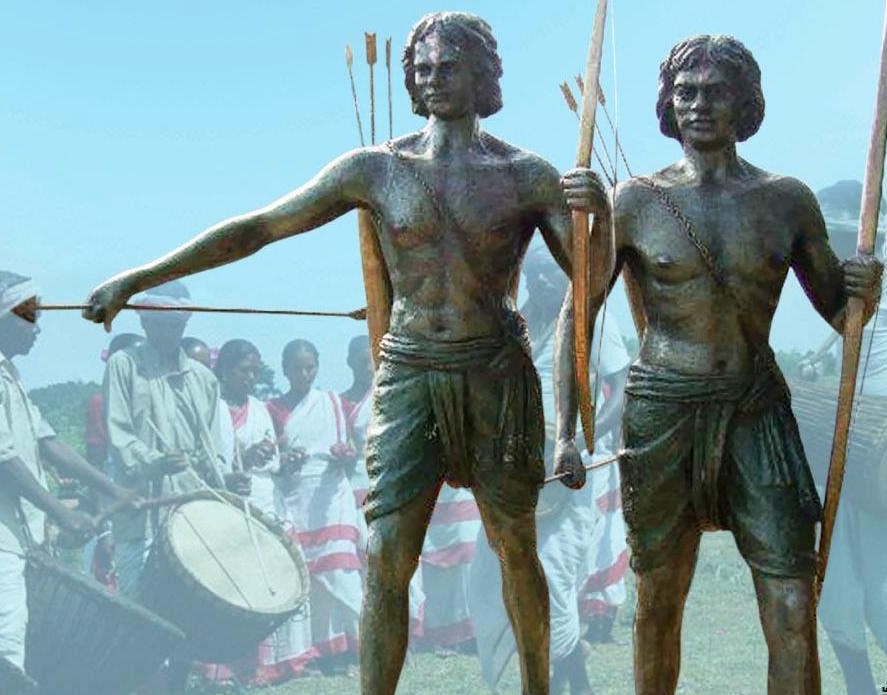
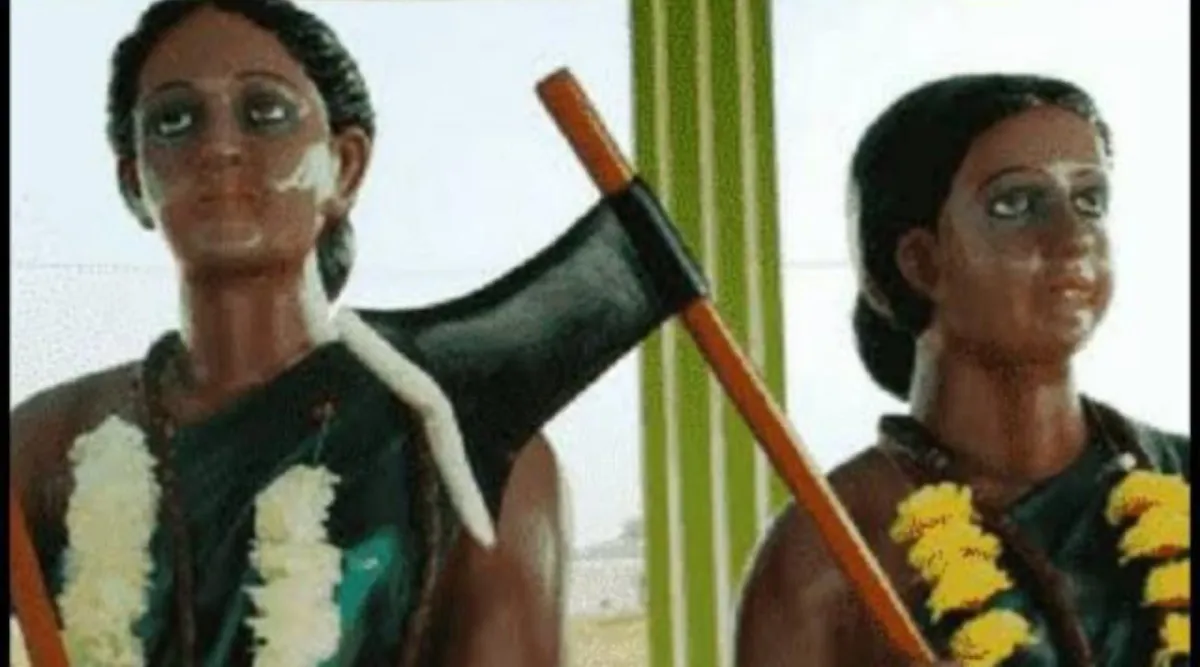
Jharkhand has a strong connection with tribal heroes and heroines. Leaders of the Santhal Hul are remembered through statues, memorial events, and public celebrations.
Phulo Murmu’s name is often remembered alongside other Santhal warriors who fought for community rights.
Importance in Tribal Culture
For tribal communities, remembering heroes like Phulo Murmu is not only about history but also about protecting cultural identity and honoring ancestors who fought for justice.
Her story continues to inspire discussions about tribal rights, women’s empowerment, and historical recognition.
Interesting Facts About Phulo Murmu
1. She Was a Tribal Freedom Fighter
Phulo Murmu is remembered as one of the brave women connected with the Santhal resistance movement against British rule.
2. She Belonged to the Santhal Community
She was part of the Santhal tribe, one of India’s major tribal communities with a rich cultural heritage.
3. She Fought Alongside Her Sister
Phulo Murmu and Jhano Murmu are remembered together for their courage during the Santhal Hul.
4. Her Story Comes Mainly From Oral History
Many details about her life survived through Santhal traditions, songs, and community memories rather than official written records.
5. She Represents Women’s Participation in History
Her life proves that women played important roles in India’s resistance movements.
6. She Is a Symbol of Courage
Phulo Murmu represents bravery, sacrifice, and the fight for dignity.
7. The Santhal Hul Was One of India’s Early Tribal Movements
The rebellion happened before the Revolt of 1857 and became a major example of resistance against colonial rule.
FAQs About Phulo Murmu
1. Who was Phulo Murmu?
Phulo Murmu was a brave Santhal tribal woman warrior who is remembered for her role in the Santhal Hul (Santhal Rebellion) of 1855–56 against British rule and exploitation. She became a symbol of tribal courage and women’s participation in India’s resistance movements.
2. When was Phulo Murmu born?
The exact birth date and year of Phulo Murmu are not clearly recorded in historical documents. She was born in the 19th century in the Santhal tribal region of eastern India.
3. Where was Phulo Murmu born?
Phulo Murmu was born in the Santhal region, which is now mainly associated with parts of Jharkhand, Bihar, and nearby areas.
4. Which community did Phulo Murmu belong to?
Phulo Murmu belonged to the Santhal tribal community, one of the largest tribal groups in India with a rich cultural and historical heritage.
5. Why is Phulo Murmu famous?
Phulo Murmu is famous for her bravery and association with the Santhal Hul of 1855–56, where tribal communities fought against British oppression, unfair taxation, and exploitation.
6. Who was the sister of Phulo Murmu?
Jhano Murmu was the sister of Phulo Murmu. Both sisters are remembered for their courage and participation in the Santhal resistance movement.
7. What was the Santhal Hul?
The Santhal Hul was a major tribal uprising that started in 1855 against British rule, landlords, and moneylenders who exploited the Santhal people. It was led by leaders like Sidhu Murmu and Kanhu Murmu.
8. Did Phulo Murmu fight against the British?
Yes, Phulo Murmu is remembered as a participant in the Santhal struggle against British colonial power and the systems that oppressed tribal communities.
9. What were the main causes of the Santhal Rebellion?
The main causes included:
- British land policies
- Heavy taxes
- Exploitation by moneylenders
- Unfair treatment of tribal people
- Loss of traditional rights over land and forests
10. What was the contribution of Phulo Murmu?
Phulo Murmu’s contribution was her courage and participation in the Santhal movement. She represented the strength of tribal women who fought for justice, dignity, and freedom.
11. When did Phulo Murmu die?
The exact date and details of Phulo Murmu’s death are not clearly available in historical records. She is remembered for her sacrifice during the Santhal resistance.
12. Why is Phulo Murmu important in Indian history?
Phulo Murmu is important because she represents the role of tribal women in India’s freedom struggles and early resistance movements against colonial rule.
13. Was Phulo Murmu a freedom fighter?
Yes, Phulo Murmu is considered a tribal freedom fighter because of her association with the Santhal Hul against British oppression.
14. What is the legacy of Phulo Murmu?
Her legacy includes courage, tribal pride, women’s empowerment, and the recognition of tribal communities’ contribution to India’s history.
15. Why do people remember Phulo Murmu today?
People remember Phulo Murmu today as a symbol of bravery, sacrifice, and resistance. Her story continues to inspire tribal communities and those who study India’s freedom movement.
Conclusion
Phulo Murmu remains an important figure in the history of tribal resistance in India. Her life represents courage, sacrifice, and the determination of ordinary people who stood against injustice.
As a participant in the Santhal Hul, she became a symbol of the strength of tribal communities and the powerful role of women in historical movements. Although many details of her life remain limited in written records, her memory continues through traditions, cultural stories, and the respect of generations.
Phulo Murmu’s contribution reminds us that India’s freedom history was built by people from every community, including tribal women who fought fearlessly for their land, identity, and rights.
Her name will continue to inspire future generations as a symbol of bravery, unity, and resistance.