Read Birsa Munda’s biography, including his birth, early life, history, freedom struggle, Ulgulan Movement, major contributions, death, and legacy.
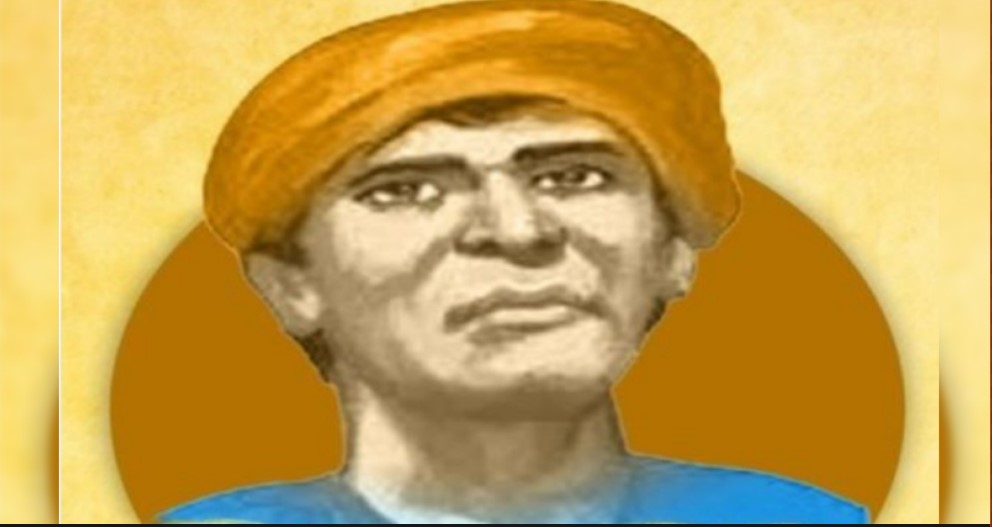
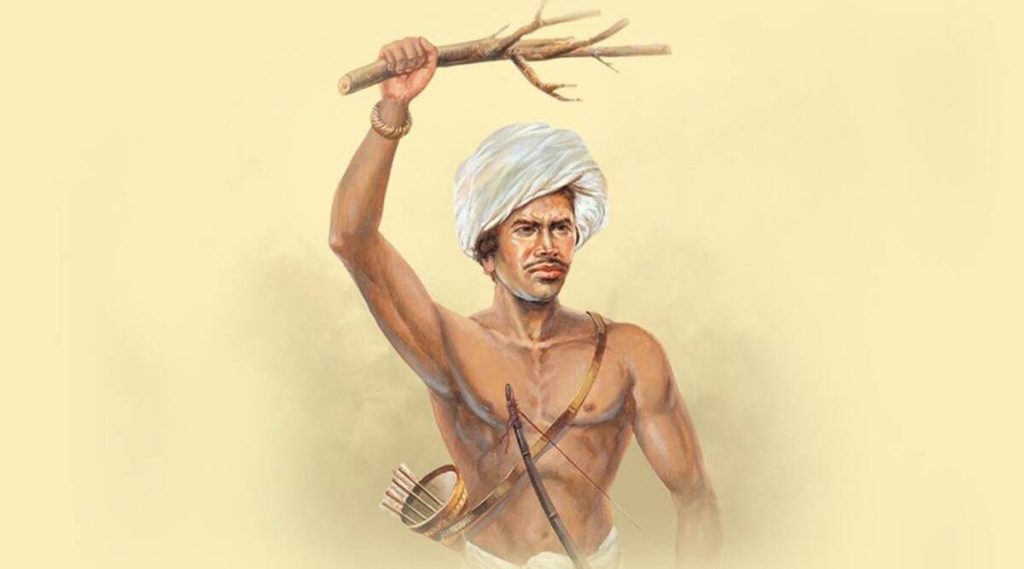
Birsa Munda was one of the most influential tribal freedom fighters, social reformers, and spiritual leaders in Indian history. Born on 15 November 1875 in Ulihatu village of present-day Jharkhand, he emerged as a powerful voice against British colonial rule and the exploitation of indigenous communities in the Chotanagpur region. Revered as “Dharti Aba” (Father of the Earth) by his followers, Birsa inspired thousands of tribal people to fight for their land, culture, and rights. During the late nineteenth century, tribal communities faced severe hardships due to oppressive British land policies, heavy taxation, forced labor, and the growing influence of landlords and moneylenders. Traditional systems of land ownership were disrupted, causing widespread poverty and social unrest among the Munda and other tribal communities. Witnessing these injustices from an early age, Birsa dedicated his life to protecting the interests of his people and restoring their dignity.
Apart from being a political leader, Birsa Munda was also a religious reformer who sought to revive tribal traditions and strengthen community unity. He founded the Birsait movement, which encouraged moral living, social discipline, and resistance against exploitation. His teachings inspired tribal communities to reject social evils, preserve their cultural identity, and unite against foreign domination. Birsa’s most significant contribution came through the Ulgulan Movement (The Great Tumult), a mass tribal uprising launched in the late 1890s against British authority and the unjust land system imposed on indigenous people. The movement demanded the restoration of tribal land rights, an end to forced labor, and freedom from colonial oppression. Under Birsa’s leadership, thousands of tribal men and women participated in this historic struggle, making it one of the most important tribal resistance movements in India.
Although Birsa Munda’s life was tragically short—he died in British custody on 9 June 1900 at the age of just 25—his impact on Indian society and tribal rights was immense. His struggle led to greater awareness of tribal issues and influenced later reforms aimed at protecting indigenous land ownership and cultural heritage. Today, he is remembered not only as a fearless freedom fighter but also as a symbol of courage, self-respect, and resistance against injustice.
The legacy of Birsa Munda continues to inspire generations across India. His birth anniversary is celebrated as Janjatiya Gaurav Divas, honoring his contributions to tribal empowerment and the nation’s freedom movement. Through memorials, museums, universities, and public institutions bearing his name, Birsa Munda remains a lasting icon of tribal pride, social justice, and national unity.
Quick Information
| Particular | Details |
|---|---|
| Full Name | Birsa Munda |
| Popular Name | Dharti Aba (Father of the Earth) |
| Birth Date | 15 November 1875 |
| Birth Place | Ulihatu Village, Khunti District, Jharkhand |
| Father | Sugana Munda |
| Mother | Karmi Hatu |
| Community | Munda Tribe |
| Occupation | Freedom Fighter, Tribal Leader, Social Reformer |
| Famous Movement | Ulgulan Movement |
| Religion | Birsait Faith |
| Death Date | 9 June 1900 |
| Death Place | Ranchi Jail |
| Age at Death | 25 Years |
| Known For | Tribal Rights and Anti-British Movement |
| Legacy | Tribal Icon and Freedom Fighter |
Early Life and Birth
Birth of Birsa Munda
Birsa Munda was born on 15 November 1875 in Ulihatu village, located in present-day Khunti district of Jharkhand. He belonged to the Munda tribe, one of the major indigenous communities of the Chotanagpur Plateau.
His birth occurred during a period when tribal communities were facing severe exploitation under British colonial policies. Land alienation, excessive taxation, and forced labor had become common, causing widespread suffering among tribal populations.
The environment in which Birsa grew up significantly shaped his understanding of social injustice and inspired his future struggle for tribal rights.
Childhood Years
Birsa spent much of his childhood in forests and villages, where he learned traditional tribal customs, culture, and agricultural practices. Like many tribal children, he developed a close connection with nature and community life.
His intelligence and leadership qualities became evident from an early age. Elders in the village often noticed his curiosity and ability to influence others.
Family Background
Birsa Munda was born into a humble tribal family.
Father
His father, Sugana Munda, was a farmer who relied on agriculture and forest resources for livelihood. He frequently moved between villages in search of better opportunities due to economic hardships.
Mother
His mother, Karmi Hatu, played a significant role in nurturing Birsa and teaching him tribal values, traditions, and community responsibilities.
Economic Conditions
The family lived under difficult circumstances, as British land policies had disrupted traditional tribal ownership systems. Many tribal families lost their ancestral lands to landlords and moneylenders, creating poverty and social unrest.
These experiences deeply influenced Birsa’s later commitment to protecting tribal rights.
Education and Childhood
Early Education
Birsa received his initial education in local village schools. Due to his sharp intellect, he attracted the attention of Christian missionaries who offered educational opportunities.
He later attended a German Mission School at Chaibasa. To study there, he was required to convert to Christianity and adopted the name Birsa David for a short period.
Influence of Missionary Education
Although missionary education exposed him to modern learning, Birsa became increasingly critical of missionary activities. He believed that missionaries often undermined tribal traditions and customs.
Over time, he left the mission school and returned to his indigenous roots. This decision marked an important turning point in his life.
Development of Leadership Qualities
As a young man, Birsa traveled extensively throughout tribal regions, observing social problems and interacting with local communities. These experiences strengthened his leadership abilities and helped him understand the challenges faced by tribal people.
Historical Background
British Rule in Chotanagpur
During the late nineteenth century, the British administration introduced policies that disrupted traditional tribal society.
Several factors contributed to tribal discontent:
- Heavy land taxes
- Forced labor (Beth Begari)
- Land grabbing by landlords
- Exploitation by moneylenders
- Forest restrictions
- Religious interference
The traditional Munda system of land ownership, known as Khuntkatti, was gradually weakened.
Rise of Tribal Resistance
As exploitation increased, tribal communities sought leaders who could unite them against injustice. Birsa Munda emerged as a charismatic figure capable of inspiring widespread resistance.
His message combined social reform, spiritual awakening, and political resistance.
Freedom Struggle and Movements
Emergence as a Leader
By the early 1890s, Birsa had gained a large following among tribal communities.
People believed he possessed extraordinary spiritual powers and referred to him as Dharti Aba.
He encouraged tribal people to:
- Reject British authority
- Preserve tribal identity
- Abandon superstitions
- Maintain moral discipline
- Unite against exploitation
Formation of the Birsait Movement
Birsa founded a new religious and social movement known as Birsait.
The movement emphasized:
- Worship of one God
- Social purity
- Community unity
- Resistance to oppression
- Cultural revival
Thousands of followers joined the movement.
The Ulgulan Movement
The most significant phase of Birsa’s struggle was the Ulgulan, meaning “The Great Tumult.”
The movement sought to:
- End British rule
- Restore tribal land rights
- Eliminate forced labor
- Protect tribal culture
The slogan of the movement was:
“Abua Raj ete jana, Maharani Raj tundu jana”
Meaning:
“Let our kingdom come and the Queen’s rule end.”
This slogan became a powerful symbol of tribal resistance.
Major Contributions
Protection of Tribal Land Rights
Birsa’s greatest contribution was his fight against land alienation.
He demanded restoration of tribal lands that had been illegally occupied by landlords and outsiders.
His efforts later influenced legislation protecting tribal land ownership.
Social Reform
Birsa encouraged tribal communities to:
- Avoid alcohol abuse
- Maintain cleanliness
- Promote education
- Reject harmful practices
- Strengthen community unity
These reforms improved social conditions among tribal populations.
Cultural Revival
Birsa worked tirelessly to preserve tribal traditions, language, and customs.
At a time when external influences threatened indigenous identity, he inspired people to take pride in their heritage.
Political Awakening
He transformed tribal grievances into organized resistance against colonial rule.
His movement laid the foundation for future tribal political movements across India.
Inspiration for Freedom Fighters
Birsa’s courage inspired later generations of freedom fighters and social activists.
Today he remains a symbol of resistance against injustice and oppression.
Important Events and Battles
Famine Relief Campaign (1894)
In 1894, Birsa organized tribal communities to protest excessive taxes during a famine.
This was one of his earliest organized political activities.
First Arrest (1895)
As his popularity increased, British authorities viewed him as a threat.
He was arrested in 1895 and sentenced to imprisonment.
However, his imprisonment only increased his influence among tribal communities.
Release and Reorganization
After his release, Birsa intensified his efforts to mobilize tribal people.
Large gatherings were held throughout the Chotanagpur region.
Dombari Buru Battle (1899)
One of the most important events in Birsa’s movement occurred at Dombari Buru.
Thousands of followers gathered to challenge British authority.
British forces responded with brutal violence and opened fire on tribal protesters.
Many men, women, and children lost their lives.
The incident became a defining moment in tribal resistance history.
Expansion of Ulgulan (1899–1900)
The movement spread rapidly across several districts.
Government buildings, police stations, and symbols of colonial authority became targets of protest.
British authorities launched large-scale operations to suppress the uprising.
Arrest, Imprisonment or Sacrifice
Final Arrest
The British government intensified its search for Birsa Munda.
On 3 February 1900, he was arrested in the Jamkopai forest area.
His capture dealt a major blow to the movement.
Imprisonment
Following his arrest, Birsa was imprisoned in Ranchi Jail.
Hundreds of his followers were also arrested and prosecuted.
Despite imprisonment, Birsa remained a symbol of hope and resistance for tribal communities.
Sacrifice for the Nation
Although he was not executed, his death in custody transformed him into a martyr.
His sacrifice highlighted the brutality of colonial rule and strengthened the resolve of future generations.
Death and Legacy
Death
Birsa Munda died on 9 June 1900 in Ranchi Jail at the age of only 25.
The British government officially stated that he died due to cholera.
However, many supporters questioned the circumstances surrounding his death.
Legacy
Despite his short life, Birsa’s impact was immense.
His struggle contributed to reforms in tribal land administration and inspired future resistance movements.
Today he is remembered as:
- Tribal Hero
- Freedom Fighter
- Social Reformer
- Symbol of Indigenous Rights
- National Icon
Every year, his birth anniversary is celebrated with great respect across India.
Memorials and Recognition
Birsa Munda Airport
Birsa Munda Airport is named in his honor.
Educational Institutions
Several colleges, universities, and schools bear his name, including:
- Birsa Agricultural University
- Birsa Institute of Technology
Museums and Statues
Numerous statues and museums across Jharkhand commemorate his life and achievements.
Tribal Freedom Fighter Museum
The Government of India established museums dedicated to preserving his legacy and educating future generations.
Janjatiya Gaurav Divas
The Government of India celebrates 15 November as Janjatiya Gaurav Divas in honor of Birsa Munda’s birth anniversary.
Interesting Facts
- Birsa Munda was born on 15 November 1875.
- He is popularly known as Dharti Aba.
- He founded the Birsait religious movement.
- He led the famous Ulgulan Movement.
- He challenged both colonial rule and social evils.
- He spent time studying in a Christian mission school.
- He became a tribal leader before the age of 20.
- He died at only 25 years of age.
- His birth anniversary is celebrated as Janjatiya Gaurav Divas.
- He remains one of India’s most respected tribal icons.
Frequently Asked Questions (FAQs) About Birsa Munda
1. Who was Birsa Munda?
Birsa Munda was a renowned tribal freedom fighter, social reformer, and religious leader from the Munda tribe of present-day Jharkhand. He is best known for leading the Ulgulan Movement against British colonial rule and fighting for the rights of tribal communities.
2. When and where was Birsa Munda born?
Birsa Munda was born on 15 November 1875 in Ulihatu village, located in the present-day Khunti district of Jharkhand, India.
3. Why is Birsa Munda called “Dharti Aba”?
Birsa Munda is called “Dharti Aba” (Father of the Earth) because tribal communities regarded him as their protector, spiritual guide, and champion of their rights and welfare.
4. What was the Ulgulan Movement?
The Ulgulan Movement, meaning “The Great Tumult” or “Great Rebellion,” was a tribal uprising led by Birsa Munda against British rule, exploitative landlords, and unjust land policies in the Chotanagpur region during 1899–1900.
5. What were Birsa Munda’s main objectives?
Birsa Munda aimed to:
- Protect tribal land rights
- End British oppression
- Abolish forced labor practices
- Preserve tribal culture and traditions
- Promote social and religious reforms among tribal communities
6. What was the Birsait Movement?
The Birsait Movement was a religious and social reform movement founded by Birsa Munda. It encouraged moral living, unity among tribal people, cultural revival, and resistance against exploitation.
7. How did Birsa Munda fight against British rule?
Birsa Munda organized tribal communities, spread awareness about their rights, mobilized resistance against unjust laws, and led the Ulgulan Movement to challenge British authority and the exploitation of indigenous people.
8. What were Birsa Munda’s major contributions?
His major contributions include:
- Leading the tribal freedom struggle against British rule
- Protecting tribal land ownership rights
- Promoting social reforms and community unity
- Reviving tribal culture and identity
- Inspiring future movements for tribal welfare
9. When was Birsa Munda arrested?
Birsa Munda was arrested by British authorities on 3 February 1900 during the suppression of the Ulgulan Movement.
10. How did Birsa Munda die?
Birsa Munda died on 9 June 1900 in Ranchi Jail while in British custody. The British government stated that he died due to cholera, although the circumstances of his death remain a subject of historical debate.
11. How old was Birsa Munda when he died?
Birsa Munda was only 25 years old at the time of his death.
12. What is Birsa Munda famous for?
Birsa Munda is famous for leading one of India’s most significant tribal resistance movements against British rule and for becoming a symbol of tribal pride, social justice, and indigenous rights.
13. Which tribe did Birsa Munda belong to?
Birsa Munda belonged to the Munda tribe, one of the major indigenous tribal communities of the Chotanagpur Plateau region.
14. What is Janjatiya Gaurav Divas?
Janjatiya Gaurav Divas (Tribal Pride Day) is celebrated every year on 15 November, the birth anniversary of Birsa Munda, to honor the contributions of tribal freedom fighters and preserve tribal heritage.
15. Why is Birsa Munda important in Indian history?
Birsa Munda is important because he gave a strong voice to tribal communities, challenged colonial exploitation, promoted social reform, and became one of the earliest leaders to organize a mass tribal movement against British rule.
16. What is Birsa Munda’s legacy today?
Birsa Munda’s legacy lives on through educational institutions, museums, memorials, government programs, and the continued struggle for tribal rights and social justice across India.
17. Which institutions are named after Birsa Munda?
Several institutions are named in his honor, including Birsa Munda Airport, Birsa Agricultural University, schools, colleges, and museums dedicated to preserving his memory.
18. What was Birsa Munda’s slogan?
One of Birsa Munda’s most famous slogans was:
“Abua Raj ete jana, Maharani Raj tundu jana”
which means:
“Let our rule be established and let the Queen’s rule end.”
This slogan became a powerful symbol of tribal self-governance and resistance against colonial rule.
Conclusion
Birsa Munda remains one of the most extraordinary figures in Indian history. Although his life was brief, his influence on tribal rights, social reform, and the freedom struggle was profound. Through the Ulgulan Movement, he challenged British authority and fought tirelessly for justice, dignity, and self-rule for tribal communities.
His teachings of unity, self-respect, and resistance against oppression continue to inspire generations. Today, Birsa Munda is remembered not only as a tribal leader but also as a national hero whose sacrifice contributed significantly to India’s journey toward freedom. His legacy lives on in the hearts of millions and serves as a powerful reminder of the importance of protecting indigenous rights and cultural heritage.