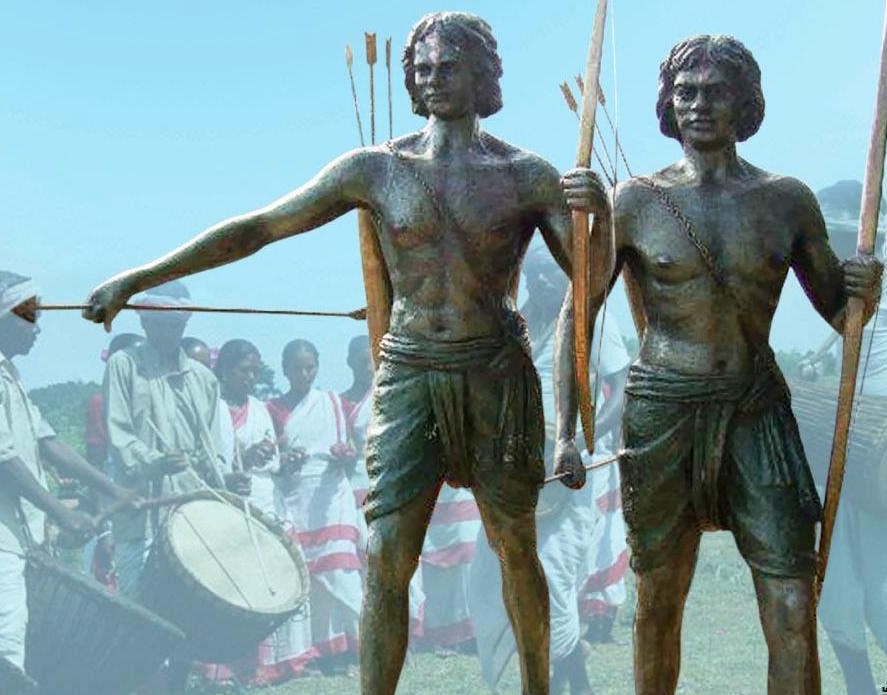
Read the complete biography of Kanhu Murmu, a great Santhal tribal freedom fighter. Know about his birth, family, Santhal Hul rebellion, contributions, battles, death and legacy.
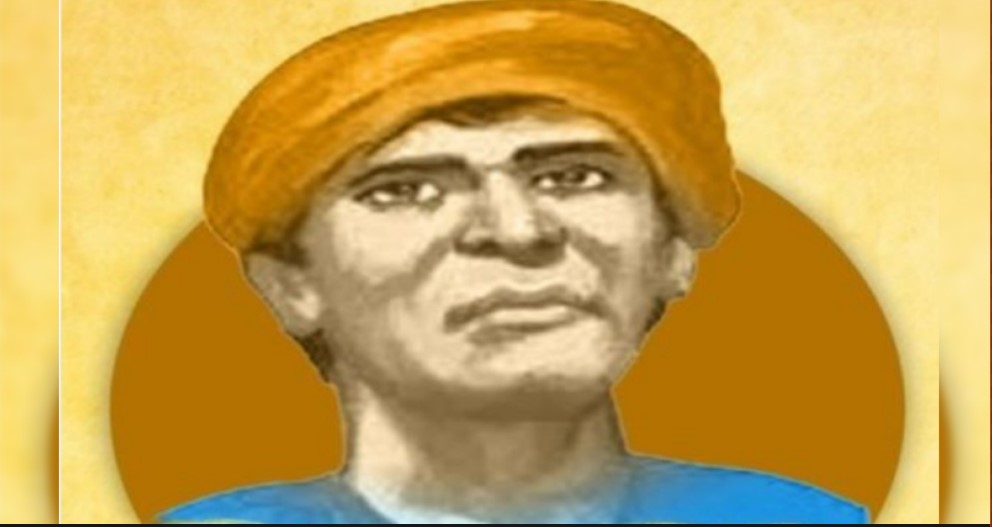
Kanhu Murmu was one of the greatest tribal freedom fighters in Indian history and a legendary leader of the Santhal community. He is remembered as one of the main heroes of the Santhal Rebellion (Santhal Hul) of 1855, a powerful uprising against British colonial rule, exploitation by landlords, moneylenders, and oppressive administrative systems.
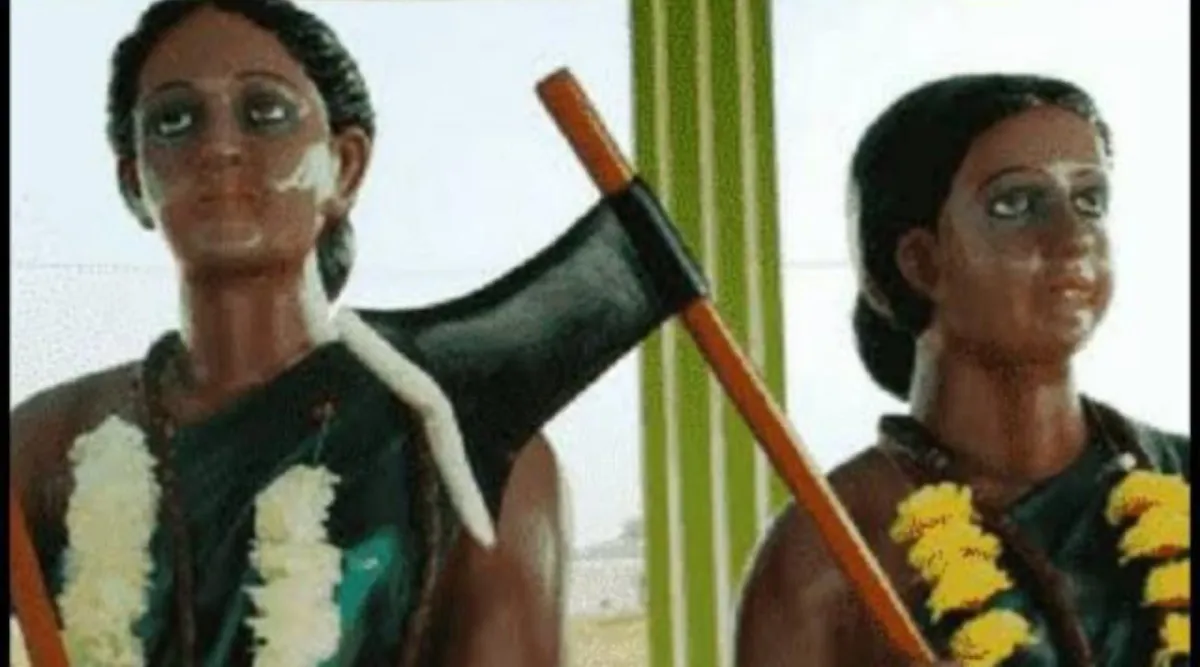
Born in a tribal family in the Santhal region, Kanhu Murmu along with his elder brother Sidhu Murmu played a historic role in organizing thousands of Santhal people against injustice. His leadership, courage, and determination made him a symbol of resistance and sacrifice.
The Santhal Hul was not only a rebellion against British authority but also a movement to protect tribal identity, land rights, culture, and dignity. Kanhu Murmu became a voice for thousands of tribal people who were suffering due to unfair taxation, forced labor, and exploitation.
Even after more than a century, Kanhu Murmu continues to inspire generations. His contribution to India’s freedom struggle is remembered with pride, especially in Jharkhand, Bihar, West Bengal, and Odisha, where tribal communities honor him as a great revolutionary leader.
Quick Information
| Information | Details |
|---|---|
| Full Name | Kanhu Murmu |
| Known For | Leader of Santhal Rebellion (Santhal Hul) |
| Birth | Early 19th Century |
| Birth Place | Bhognadih village, Santhal Pargana region |
| Community | Santhal Tribe |
| Father | Chunu Murmu |
| Brother | Sidhu Murmu |
| Famous Movement | Santhal Hul (1855–1856) |
| Role | Tribal Freedom Fighter and Revolutionary Leader |
| Main Opponent | British East India Company |
| Death | Around 1856 |
| Legacy | Symbol of Tribal Resistance |
Early Life and Birth
Kanhu Murmu was born in the early 19th century in Bhognadih village, located in the Santhal Pargana region. Today this area falls under Jharkhand. He belonged to the Santhal tribal community, one of the largest indigenous communities of India.
The Santhal people traditionally depended on agriculture, forests, and natural resources for their livelihood. Their culture was deeply connected with nature, community values, and traditional customs. However, during British rule, their peaceful way of life was disturbed due to increasing exploitation.
Kanhu Murmu grew up during a period when tribal communities were facing serious problems. The British administration introduced new revenue systems that affected tribal farmers. Along with British officials, landlords and moneylenders started controlling tribal lands and resources.
From a young age, Kanhu witnessed the suffering of his people. These experiences shaped his personality and created a strong desire to fight against injustice.
His childhood was influenced by Santhal traditions, bravery, and community responsibility. He learned the importance of unity and protecting the rights of his people.
Family Background
Kanhu Murmu belonged to a respected Santhal family. His father was Chunu Murmu, and his mother was Mai Murmu. His family lived in Bhognadih village, which later became an important historical place because of the Santhal rebellion.
Kanhu had several siblings, among whom his elder brother Sidhu Murmu became his closest companion in the struggle against British rule.
The Murmu family was deeply connected with the Santhal community. They understood the difficulties faced by tribal people and believed in protecting their land, culture, and independence.
Kanhu and Sidhu shared similar ideas about justice and freedom. Together, they organized the Santhal people and created awareness among villagers about resisting exploitation.
Their family background played an important role in developing their leadership qualities. They were not only fighters but also social leaders who united people for a common cause.
Education and Childhood
During Kanhu Murmu’s time, modern education facilities were almost unavailable in tribal areas. Like many tribal children of that period, Kanhu did not receive formal schooling in the modern sense.
His education came mainly from traditional Santhal knowledge, community practices, and life experiences. He learned about agriculture, forests, tribal customs, and social responsibilities.
The oral traditions of the Santhal community played a major role in his learning. Stories of ancestors, bravery, and resistance helped develop his leadership qualities.
Kanhu was known for his intelligence, courage, and ability to communicate with people. These qualities later helped him become a successful leader during the Santhal Hul.
His understanding of tribal problems and his connection with ordinary villagers made him a respected figure among the Santhal community.
Historical Background
To understand Kanhu Murmu’s importance, it is necessary to understand the condition of India during the 19th century.
After gaining control over large parts of India, the British East India Company introduced economic and administrative systems that affected local communities. In tribal regions, these changes created severe problems.
The Santhal people faced:
- Loss of traditional lands
- Heavy taxes
- Exploitation by landlords
- Unfair practices of moneylenders
- Forced labor
- Oppression by colonial officials
The introduction of British revenue policies changed the traditional tribal lifestyle. Many Santhal farmers lost control over their lands because of increasing debts.
The situation became unbearable, and anger started spreading among tribal communities.
In this environment, Kanhu Murmu and Sidhu Murmu emerged as leaders who united the Santhal people and encouraged them to fight for their rights.
Their movement became one of the earliest major tribal uprisings against British rule in India.
Freedom Struggle and Movements
Kanhu Murmu and the Santhal Hul (1855–1856)
The most important chapter of Kanhu Murmu’s life was his leadership in the Santhal Hul, also known as the Santhal Rebellion of 1855. It was one of the earliest and largest tribal movements against British rule in India before the Revolt of 1857.
The word “Hul” means revolution or uprising. The Santhal Hul was started to fight against the injustice faced by tribal communities. Kanhu Murmu, along with his brother Sidhu Murmu and other leaders, organized thousands of Santhal people to raise their voice against oppression.
The main reasons behind the rebellion were:
- Exploitation by British officials
- Unfair land revenue policies
- Abuse by landlords and moneylenders
- Loss of tribal lands
- Forced labor and economic exploitation
Kanhu Murmu believed that tribal people had the right to live freely and protect their land and culture. He encouraged Santhal villagers to unite and resist the oppressive system.
The movement began on 30 June 1855 at Bhognadih village, where Sidhu and Kanhu called a large gathering of Santhal people. Thousands of followers gathered and took an oath to fight against injustice.
The rebellion quickly spread across the Santhal Pargana region and became a major challenge for the British administration.
Major Contributions of Kanhu Murmu
Kanhu Murmu made several important contributions to the tribal freedom struggle. His role was not limited to fighting battles; he was also a social organizer and community leader.
1. Leadership of Santhal People
Kanhu provided strong leadership to the Santhal community during a difficult period. He united scattered tribal groups and created a sense of unity among them.
His ability to motivate people made him one of the most respected tribal leaders of his time.
2. Resistance Against British Rule
Kanhu challenged the authority of the British East India Company. At a time when many people feared British power, he encouraged tribal communities to stand against injustice.
His courage became an inspiration for future freedom movements.
3. Protection of Tribal Rights
Kanhu fought for the traditional rights of tribal people over their land, forests, and resources.
He wanted the Santhal community to preserve their identity, culture, and independent way of life.
4. Creating Awareness Among Tribals
Kanhu traveled among villages and spread awareness about exploitation. He encouraged people to understand their rights and fight together.
5. Symbol of Tribal Pride
Even today, Kanhu Murmu is considered a symbol of tribal courage, unity, and sacrifice. His life represents the struggle for dignity and justice.
Important Events and Battles
The Beginning of Santhal Hul
The Santhal rebellion officially started at Bhognadih village in 1855. Thousands of Santhal warriors gathered under the leadership of Sidhu and Kanhu Murmu.
They declared their determination to fight against British oppression and regain control over their lives.
Battle Against British Forces
The British government considered the rebellion a serious threat. They sent military forces to suppress the movement.
The Santhal fighters showed remarkable courage despite having fewer weapons and resources compared to the British army.
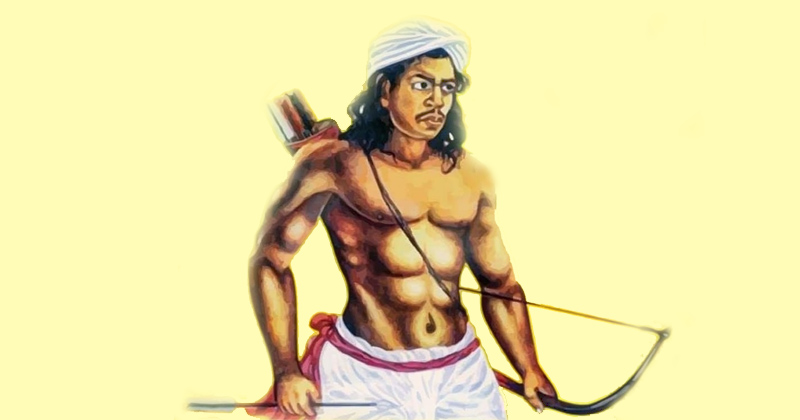
They mainly used traditional weapons such as:
- Bows and arrows
- Swords
- Axes
- Spears
Although they lacked modern weapons, their determination and unity made them a powerful force.
Spread of the Rebellion
The movement spread across areas of present-day Jharkhand, Bihar, and West Bengal.
Many tribal villagers joined the rebellion because they were suffering from similar problems.
The British responded with military action and attempted to crush the uprising.
Arrest, Imprisonment or Sacrifice
The British administration tried to capture the leaders of the Santhal Hul because they understood that the movement depended on the leadership of Sidhu and Kanhu.
After intense fighting, the British forces eventually suppressed the rebellion using military power.
Sidhu Murmu was captured and executed by the British in 1855.
Kanhu Murmu continued the struggle for some time, but later he was also captured by British forces.
Historical records about the exact details of Kanhu Murmu’s final days are limited, but it is widely believed that he was executed around 1856.
His sacrifice became a powerful symbol of resistance. He gave his life fighting for the freedom and rights of his people.
Death and Legacy
Kanhu Murmu died around 1856 after fighting against British colonial rule.
Although the Santhal Hul was eventually suppressed, the impact of the movement was significant. It showed that tribal communities could organize and challenge powerful colonial authorities.
Kanhu’s legacy continues to live through:
- Tribal rights movements
- Cultural celebrations
- Historical studies
- Memorials and statues
He is remembered as a fearless revolutionary who fought for justice and dignity.
His life teaches the importance of courage, unity, and standing against oppression.
Memorials and Recognition
Kanhu Murmu is honored in many parts of eastern India, especially in Jharkhand and the Santhal Pargana region.
Several memorials, statues, and institutions have been created to remember his contribution.
Bhognadih Memorial
Bhognadih village, the birthplace of the Santhal Hul movement, has become a historical place where people remember Sidhu and Kanhu Murmu.
Every year, many people visit the area to pay tribute to these tribal heroes.
Government Recognition
Indian governments and cultural organizations recognize Kanhu Murmu as an important tribal freedom fighter.
His contribution is included in discussions about India’s freedom struggle and tribal history.
Cultural Importance
Among the Santhal community, Kanhu Murmu remains a respected figure. Songs, stories, and cultural programs continue to celebrate his bravery.
Interesting Facts About Kanhu Murmu
- Kanhu Murmu was one of the main leaders of the Santhal Hul of 1855.
- He fought against British colonial rule before the Revolt of 1857.
- His elder brother Sidhu Murmu was his main companion in the rebellion.
- Bhognadih became famous because of the Santhal uprising.
- He belonged to the Santhal tribal community.
- His movement was based on protecting land, culture, and tribal identity.
- The Santhal Hul is considered one of the biggest tribal rebellions in Indian history.
- Kanhu Murmu is remembered as a symbol of tribal bravery and resistance.
Frequently Asked Questions (FAQs) About Kanhu Murmu Biography
1. Who was Kanhu Murmu?
Kanhu Murmu was a great Santhal tribal leader and freedom fighter who played a major role in the Santhal Hul (Santhal Rebellion) of 1855 against British rule. He fought for tribal rights, land protection, and justice for his community.
2. When was Kanhu Murmu born?
Kanhu Murmu was born in the early 19th century. His exact birth date is not clearly recorded in historical sources. He was born in Bhognadih village, Santhal Pargana region.
3. Where was Kanhu Murmu born?
Kanhu Murmu was born in Bhognadih village, which is located in the Santhal Pargana region of present-day Jharkhand, India.
4. Which tribe did Kanhu Murmu belong to?
Kanhu Murmu belonged to the Santhal tribe, one of India’s largest indigenous tribal communities.
5. Who was Kanhu Murmu’s brother?
Kanhu Murmu’s elder brother was Sidhu Murmu, who was also a famous leader of the Santhal Hul rebellion.
6. What was Kanhu Murmu famous for?
Kanhu Murmu was famous for leading the Santhal Rebellion (Santhal Hul) in 1855–1856 against British colonial rule, landlords, and moneylenders.
7. What was the Santhal Hul?
The Santhal Hul was a major tribal uprising that started in 1855. It was led by Sidhu and Kanhu Murmu to protest against British exploitation, unfair taxes, and loss of tribal lands.
8. When did the Santhal Hul start?
The Santhal Hul started on 30 June 1855 at Bhognadih village in the Santhal Pargana region.
9. Why did Kanhu Murmu fight against the British?
Kanhu Murmu fought against the British because tribal people were facing exploitation, land loss, unfair taxation, forced labor, and oppression by colonial officials and moneylenders.
10. What were Kanhu Murmu’s major contributions?
His major contributions include:
- Leading the Santhal Hul rebellion
- Uniting tribal communities against injustice
- Fighting for tribal land rights
- Inspiring future generations through his sacrifice
11. Did Kanhu Murmu receive any formal education?
There is no clear historical record of modern formal education. His knowledge came mainly from Santhal traditions, community experiences, and local culture.
12. How did Kanhu Murmu die?
Kanhu Murmu was captured by British forces after the Santhal rebellion and is believed to have been executed around 1856.
13. Why is Kanhu Murmu important in Indian history?
Kanhu Murmu is important because he was one of the earliest tribal leaders who challenged British colonial rule before the Revolt of 1857.
14. Where is Kanhu Murmu remembered today?
Kanhu Murmu is especially remembered in Jharkhand, Bihar, West Bengal, and among Santhal communities across India.
15. What is Kanhu Murmu’s legacy?
Kanhu Murmu’s legacy represents courage, tribal pride, unity, and the struggle for justice and freedom.
16. Was Kanhu Murmu part of the Indian freedom movement?
Yes, Kanhu Murmu was an important figure in the early resistance against British rule and is considered a tribal freedom fighter.
17. What weapons did Santhal warriors use during the rebellion?
Santhal warriors mainly used traditional weapons like bows, arrows, axes, swords, and spears during their fight against British forces.
18. Who were the main leaders of the Santhal Rebellion?
The main leaders of the Santhal Rebellion were:
- Sidhu Murmu
- Kanhu Murmu
- Chand Murmu
- Bhairav Murmu
19. Is there any memorial for Kanhu Murmu?
Yes, several memorials, statues, and cultural programs honor Kanhu Murmu, especially in Jharkhand and the Santhal region.
20. Why is Bhognadih famous?
Bhognadih is famous because it was the place where Sidhu and Kanhu Murmu started the historic Santhal Hul movement in 1855.
Conclusion
Kanhu Murmu was one of the greatest tribal heroes in Indian history. His struggle during the Santhal Hul showed the courage and determination of tribal communities against colonial oppression.
Along with Sidhu Murmu, Kanhu created a powerful movement that challenged British authority and inspired future generations.
Although he sacrificed his life at a young age, his contribution remains unforgettable. His story represents bravery, unity, and the fight for justice.
Kanhu Murmu’s name will always remain a proud chapter in the history of India’s freedom struggle and tribal resistance.